
Planning on hiring a car on your next holiday?
Road-tripping has always been a great Australian tradition, and they can be fabulous memory builders. With the right planning, exciting activities, and breathtaking sights along the way, you’ll wonder why you bothered going overseas in the first place. Whether you’ve got a weekend or a week, there’s an Australian road trip out there just for you.
Renting a car in Australia
Australians know their country is vast, and getting from one side of the country to the next by car can take weeks. If you are planning to rent a car in Australia, there is some essential information you need to know before setting off. A driving holiday is a great way to see the very best of Australia. From large cities to small country towns to glorious natural scenery to golden beaches. Come on, what are you waiting for……
Car Rental Companies
In Australia, several major car rental companies operate as well as many less-known ones. Knowing which one to choose is the hard part. Discover Cars connects you to the biggest brands in car hire. Most companies offer similar deals; however, you must understand the contract and read the fine print to check what you are covered for.
Understanding Your Liabilities
Travellers who are familiar with the joys of renting a car anywhere in the world know the feeling you get in the stomach when you get to the car rental agency and asked: “Do you want car rental insurance!” And of course, “We Get It” from a fear of the unknown and because we don’t understand the pros and cons of car rental insurance. That’s why this article was created to help you understand car rental insurance better and to provide some top car insurance tips. Knowing the different insurance options available can save you big bucks and cause you fewer headaches.
Purchasing Car Rental Insurance
Third-party insurance and a loss damage waiver are mandatory and included in your car rental agreement in Australia. While the third-party insurance covers you financially in case of damage to property or injury to a third party, the loss damage waiver covers your vehicle but not car rental excess.
What is car rental excess?
You could be liable for the cost of car rental excess if your hire car is damaged or stolen. Excess on a standard rental car is usually between $3,000 and $5,000 in Australia. It is common practise for car rental companies to upsell you expensive excess waiver fees to reduce the excess to around $300.
Know what’s included in your policy
Car rental insurance policies can be included in a rental agreement or as a standalone insurance policy. A car rental agreement generally states what you will need to pay for damages caused to a rental car and third-party property. The agreement/contract may offer you some cover for other liabilities you might otherwise incur such as damage under the vehicle from travelling on unsealed roads, or if your car is stolen while in your care.
No Surprises
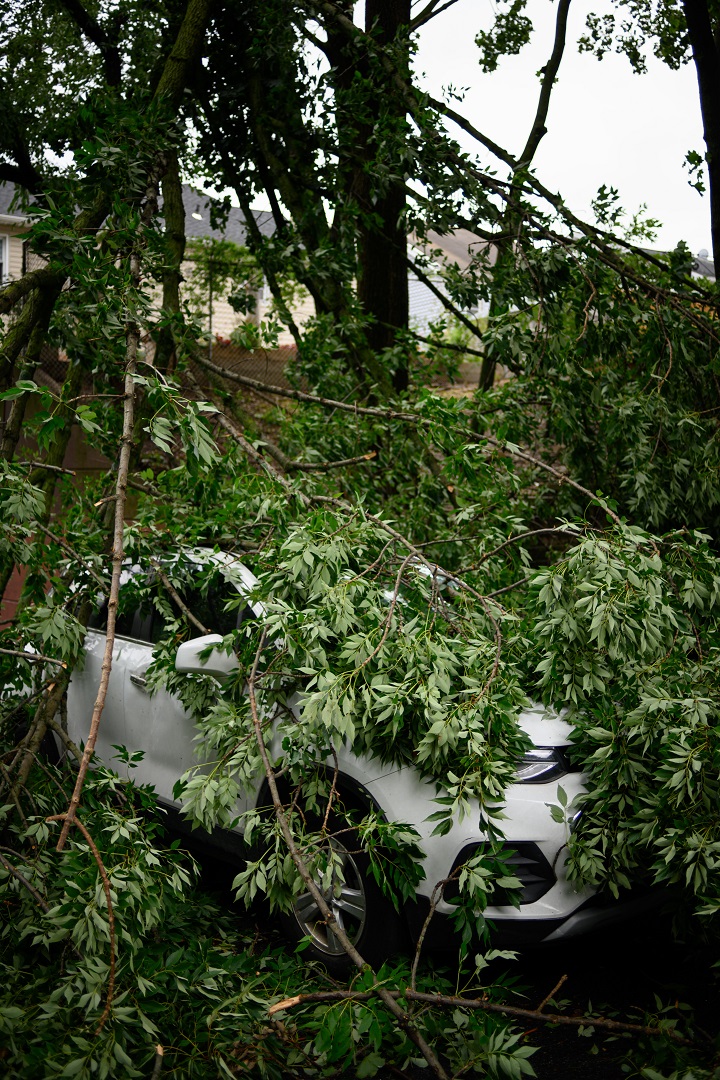
Damage to a rental car can be more than repairing a scratch or dent. Car rental companies can charge you for ‘loss of revenue”, while the car is being fixed. These hidden fees are generally at the full retail rate.
Keep in mind, damage to windscreens and tyres, underbody damage, single-vehicle accidents, towing charges and more are often listed as standard exclusions by rental agencies. Unfortunately, accidents do happen, so ask yourself whether you can afford to pay the excess if an accident was to occur!
Is Excess Cover Insurance Worth Getting?
When you rent a vehicle from a car rental company you are usually charged up to $35 per day to lower your excess! So what is the difference between car rental insurance and an excess cover policy? In straightforward terms, car rental insurance covers the full market value of a vehicle. In contrast, an excess policy covers any excess charges you are liable for in the event of an accident or theft. Excess insurance is referred to in various ways; from car rental excess insurance to excess waiver or deductible insurance. Regardless of what it is labelled, excess insurance is designed to protect rental car consumers from the excess charges imposed by rental car agencies throughout the world.
Not All Policies Are The Same
Every policy is different; hence why it is critical, you read the terms and conditions. Whether you hire a car in Australia or overseas, there can be significant savings in purchasing an “excess cover” policy rather than combined in the car rental agreement. This type of car insurance is often referred to as “excess cover” and covers you against accidental damage to your car, other vehicles, property and other mishaps. Excess is the out-of-pocket expense you need to pay should you have to make a claim. But be aware this type of product only covers you for the excess amount you’re liable for and is subject to numerous exclusions. Often standard excess policies do not cover towing, administration fees or if you break the law or breach any of the rental agreement.
Travel Insurance VS Excess Cover
It’s true, some comprehensive travel insurance policies have an add-on option if the rental car is damaged in an accident. This type of policy may pay for your liability or excess contribution up to an agreed $ value. However, there are several restrictions you need to be aware of. Here are a few tips if you’re not sure whether you need a standalone excess policy or if travel insurance is enough.
Some travel insurance policies with rental cover typically only cover damage caused by a collision. For example, some policies may not include medical care for injured passengers, damage to the other vehicle or damage to personal property inside the car. However, if your travel insurance policy does include medical coverage, check the benefits to be sure you and your passengers are covered for emergency medical care.
Compulsory Third Party Insurance Don’t Apply In Every Country
In Australia, third-party insurance is compulsory and included in the registration of a car which means rental cars have this cover as well. Third-party insurance covers you for injuries you may cause to others but may not automatically cover you as the driver of the car. So, be sure to check whether you need additional personal accident insurance to cover yourself.
Road Users Handbook NSW
Click HERE to download the NSW Road Users handbook, an interpretation of the law made easy to understand in plain English. Laws often change, so ensure you have the most recent handbook. The most recent publication is available on the Roads and Maritime Services website at rms.nsw.gov.au
You’re All Set
So the next time you feel your stomach flip when asked the standard car rental insurance question at the agency counter, just smile and respond confidently, “No thanks, I’ve got it covered”.

Pet-Friendly Car Rental Companies in Australia
So you’re taking your pet on holiday and need a pet-friendly car rental. Unfortunately, not all car rental companies in Australia permit pets in their hire cars. The final decision is often left up to the manager’s discretion.
Pet policies differ from country to country so don’t automatically assume your pet will be welcomed at the car rental agency counter! Like all insurance policies, the terms and conditions can often be hard to decipher. It’s important, you read the fine print and know what you are liable for. Surprisingly, many rental companies don’t mention in their terms and conditions an extra cleaning fee charged for pets.
So, always check beforehand with the car rental agency and also from the location you plan to collect your hire car from. Furthermore, ask whether there are any additional charges to bring along your pet otherwise you may incur a charge for cleaning.
Car Safety Rules for Dogs in Australia
Most Australians have little idea what the road rules are regulating dog travel in vehicles. No matter where you live in Australia, there are rules and laws you must abided by when your canine is travelling in your car or vehicle even a hire car. Travelling with a canine is similar to travelling with a child. You wouldn’t drive your car with your child standing on the back seat …would you?
Disclosure: We use affiliate links to monetise our content. We may receive a commission on products or services that you purchase by clicking on links within this blog.
Disclosure: We use affiliate links to monetise our content. The Progressive Traveller may receive a commission on products or services that you purchase through clicking on links within this blog.



 I am the Progressive Traveller. I've been travelling the world extensively since 2002. My website is full of travel stories, tips, recommendations, resources, offers for you to use and enjoy. Follow my journey on social media and travel the world with me. Happy days.