Dubrovnik Travel Guide: What First-Time Visitors Need to Know

by | Croatia, Europe, Featured, Travel

Few European cities make an entrance quite like Dubrovnik. Surrounded by immense stone walls and overlooking the blue waters of the Adriatic, its UNESCO-listed Old City is one of Croatia’s most impressive destinations.

Inside the walls, polished limestone streets lead to historic churches, elegant palaces, hidden courtyards and lively squares. Walk along the ancient city walls for sweeping coastal views, ride the cable car to Mount Srđ or escape the crowds with a short ferry trip to nearby Lokrum Island.

Dubrovnik is undeniably beautiful, but it can also be busy and expensive, particularly during the European summer. Choosing the right time to visit and planning your main activities ahead can make an enormous difference.

This first-time Dubrovnik travel guide covers the best things to do, when to visit, where to stay and practical tips to help you experience this remarkable Croatian city at a more relaxed pace.

Planning Your First Visit to Dubrovnik

Dubrovnik is compact, and most major attractions can be reached on foot. Allow time to wander beyond Stradun, where narrow laneways reveal quiet courtyards, small restaurants, wine bars and glimpses of everyday life.

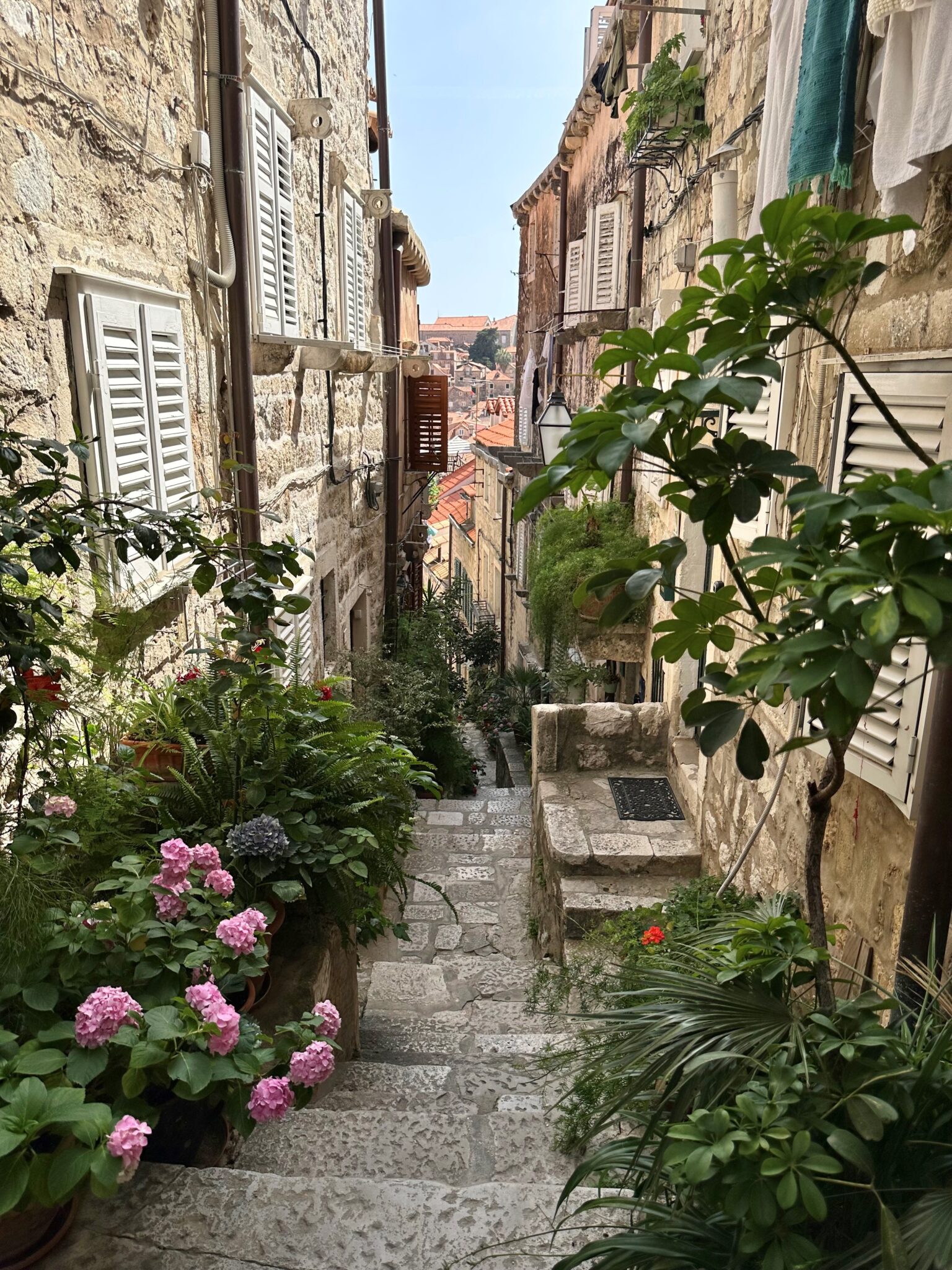
Although Stradun itself is relatively level, many of the streets leading away from it are steep and include long flights of stone steps. Reaching accommodation within the Old City with heavy luggage can be physically challenging, as vehicles cannot enter within the walls. Before booking, check the property’s exact location, how many steps are involved and whether luggage assistance is available.

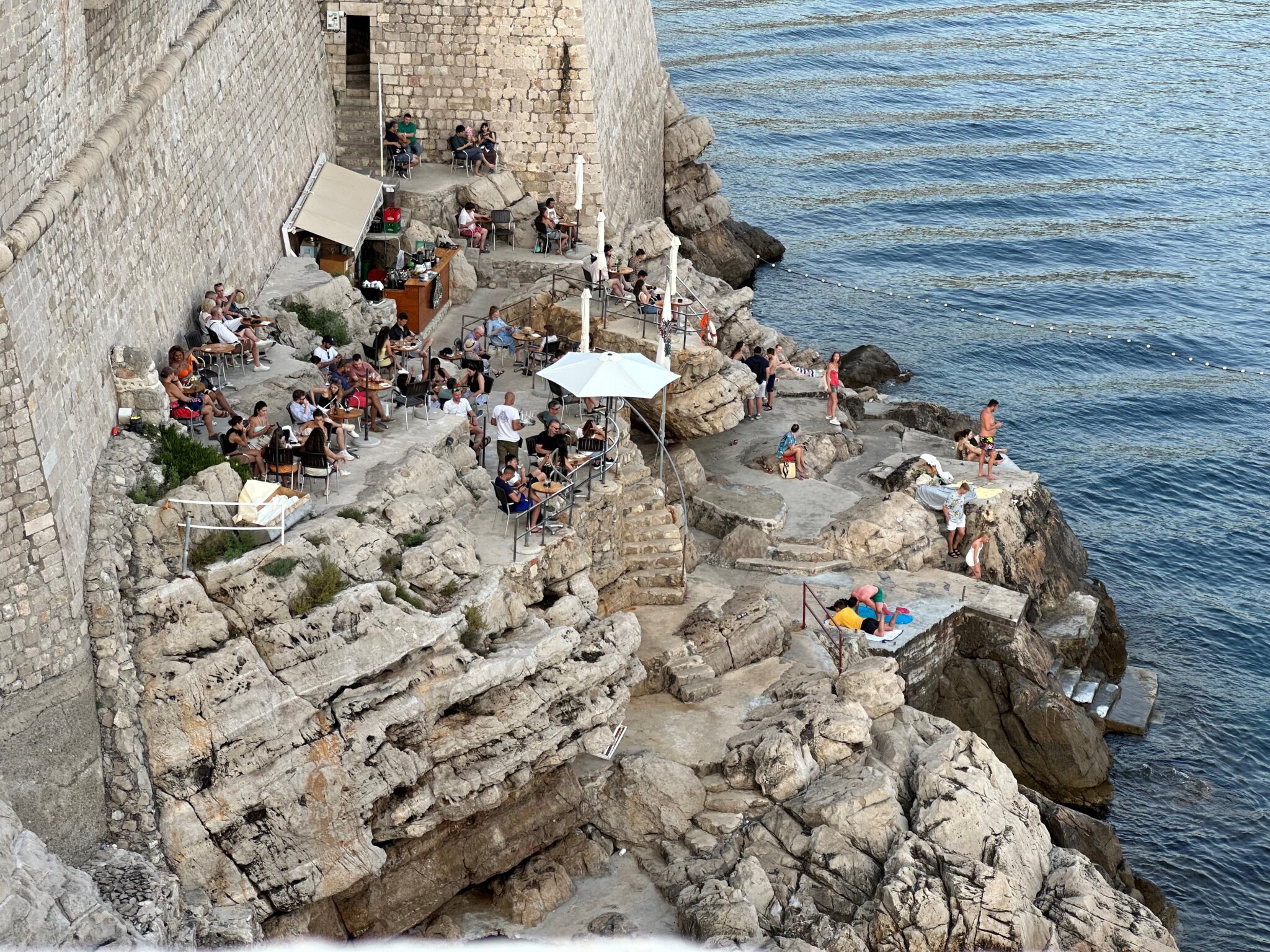
Fresh Adriatic seafood and Croatian wines are local highlights, although dining inside the Old City is generally more expensive than elsewhere in Croatia. For a swim nearby, Banje Beach is a short walk from Ploče Gate. Another memorable experience is Bard Mala Buža, a cliffside bar reached through an opening in the city walls.

Public buses are useful if you are staying in Lapad, Gruž or farther from the Old City, while Uber is often more affordable than a regular taxi. Comfortable, supportive shoes are essential—the polished stone paving can be slippery, while the steep steps and sloping laneways can be tiring.

💡 Progressive Traveller Tip: If you are staying inside the Old City, choose accommodation close to Pile or Ploče Gate and confirm the number of steps before booking. Visit the main sights early in the morning or later in the afternoon, when the streets are generally cooler and less crowded.
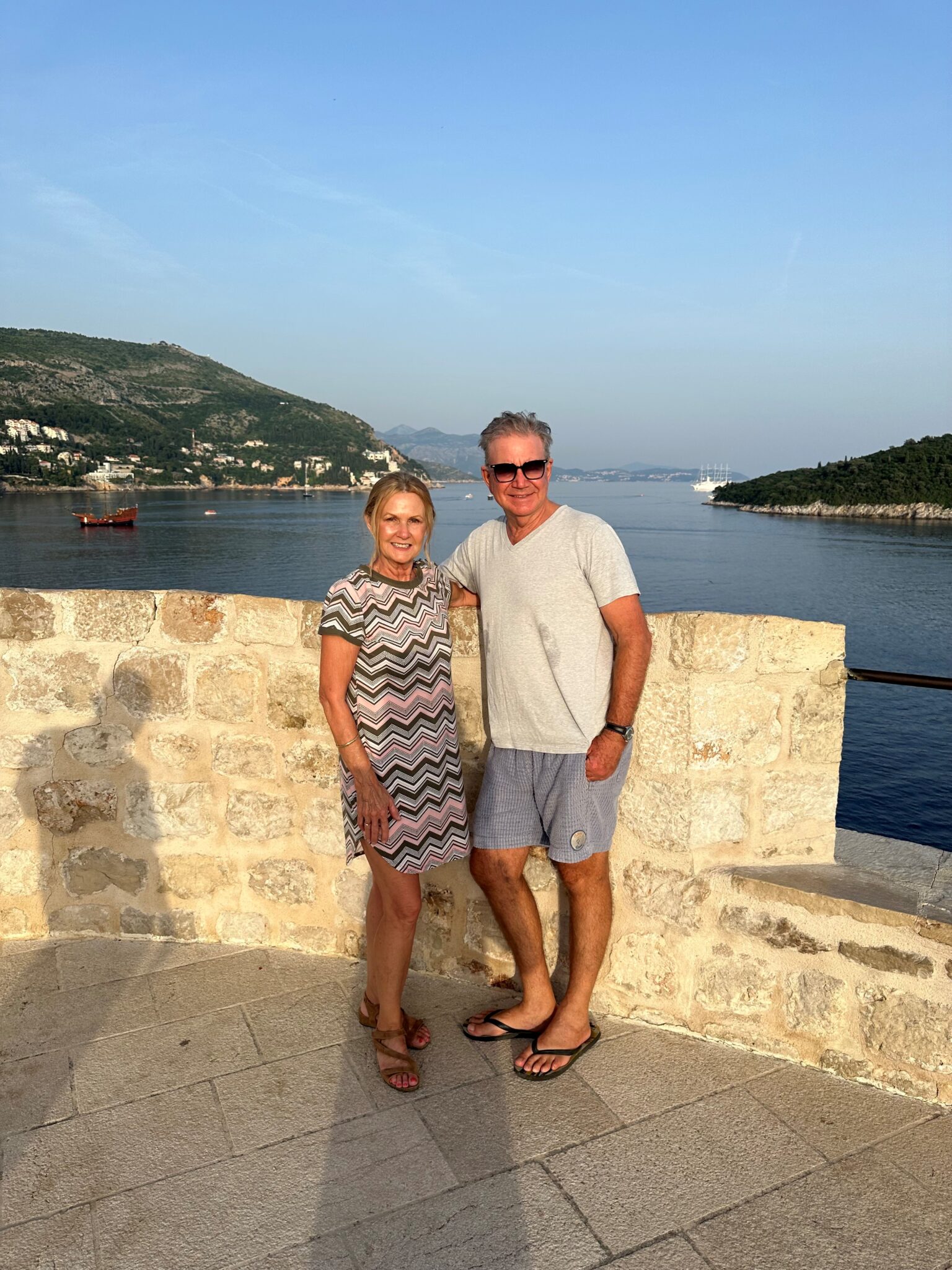
Progressive Traveller in Dubrovnik

Best Things to Do in Dubrovnik

1. Walk Dubrovnik’s Ancient City Walls

Walking the medieval city walls is one of Dubrovnik’s essential experiences. The complete circuit offers sweeping views across the terracotta rooftops of the Old City, the Adriatic Sea, Fort Lovrijenac and nearby Lokrum Island.

The walk includes numerous steps and long sections with little shade. Wear comfortable shoes, carry water and avoid the hottest part of the day. Tickets are expensive, but the views make the experience worthwhile. Before purchasing a separate ticket, compare the cost with the Dubrovnik Pass, which includes the city walls and several other attractions.

💡 Progressive Traveller Tip: Walk the walls early in the morning or later in the afternoon for cooler conditions, softer light and fewer crowds.

2. Explore Dubrovnik’s UNESCO-Listed Old City

Dubrovnik’s Old City is compact and best explored on foot. Behind its impressive walls, you’ll find historic churches, monasteries, palaces, fountains and narrow stone laneways filled with small restaurants and wine bars.

A guided walking tour is worthwhile for first-time visitors. It provides insight into the former Republic of Ragusa, once a prosperous maritime republic and an important Mediterranean trading power.

3. Stroll Along Stradun

Stradun, also known as Placa, is the broad limestone-paved street running through the heart of the Old City. Beginning near Pile Gate, it connects Onofrio’s Fountain with Luža Square and many of Dubrovnik’s most important landmarks.

The polished limestone is especially beautiful in the early morning or evening, when the street is quieter and the buildings are illuminated by softer light.

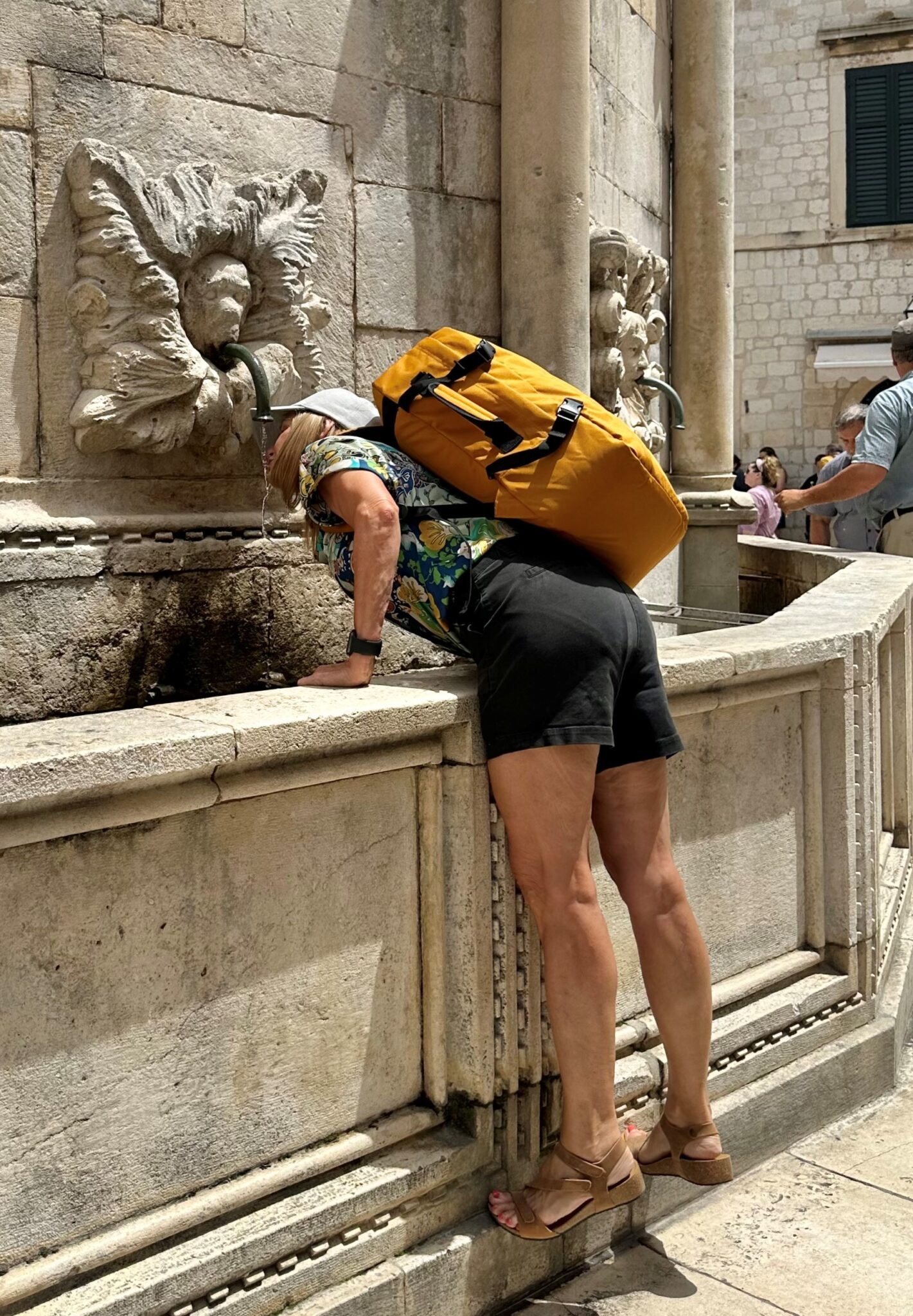
4. Refill Your Water Bottle at Onofrio’s Fountain

Just inside Pile Gate, the 15th-century Onofrio’s Fountain once formed part of Dubrovnik’s sophisticated water-supply system. Its 16 carved stone masks remain functioning water outlets, making it a convenient place to refill your bottle before exploring the Old City or walking the walls.

The fountain was badly damaged during the devastating earthquake of 1667, but it remains one of Dubrovnik’s best-known historic landmarks.

5. Ride the Cable Car to Mount Srđ

For one of the best views of Dubrovnik, take the cable car to the summit of Mount Srđ. From the top, you can see the walled Old City, Lokrum Island, the Adriatic coastline and the surrounding mountains.

Allow time to enjoy the viewpoint, particularly around sunset. Travellers looking for more adventure can also book a zipline experience overlooking Dubrovnik. Cable-car services can be affected by strong winds, and operating hours vary seasonally, so check before visiting.

6. Visit Fort Lovrijenac

Standing on a rocky outcrop beyond the western city walls, Fort Lovrijenac is often called Dubrovnik’s Gibraltar. The fortress once protected the city from attacks by land and sea and now provides impressive views towards the Old City and Fort Bokar.

Entry may be included with your city walls ticket or Dubrovnik Pass, so retain your ticket and check the current conditions before paying separately.

7. Discover Dubrovnik’s Game of Thrones Locations

Dubrovnik was the principal filming location for King’s Landing in Game of Thrones. Several recognisable scenes were filmed around the Old City, Fort Lovrijenac and the nearby coastline.

Fans can join a dedicated filming-location tour, while those less familiar with the series may prefer a general history tour covering the city’s broader story.

8. Visit the Franciscan Monastery and Historic Pharmacy

Located near Pile Gate, the Franciscan Monastery provides a peaceful contrast to the busy streets outside. Its beautiful cloister, small museum and historic pharmacy make it one of the Old City’s most interesting cultural attractions.

Founded in the 14th century, the pharmacy is regarded as one of the oldest continuously operating pharmacies in Europe.

9. Take a Ferry to Lokrum Island

Lokrum Island is an easy escape from the crowds of the Old City. Regular seasonal ferries depart from Dubrovnik’s Old Port, with the crossing taking approximately 15 minutes.

The island has shaded walking trails, botanical gardens, historic ruins and rocky swimming areas. There are no sandy beaches, so water shoes can be useful. Check the weather and final return-ferry time before setting out.

10. Swim at Banje Beach

Banje Beach is one of the most convenient places to swim near the Old City. Located a short walk from Ploče Gate, it offers clear Adriatic water and beautiful views towards Dubrovnik’s walls.

The beach can become crowded during summer, so arrive early or visit later in the afternoon. Some areas offer paid sunloungers, while others are available for public use.

11. Have a Drink at a Dubrovnik Cliff Bar

Hidden through openings in the city walls, Dubrovnik’s cliff bars offer a memorable place to enjoy a cold drink overlooking the Adriatic. Bard Mala Buža and Buža Bar are built into the rocks outside the walls, with simple terraces and uninterrupted sea views.

Find a seat in the late afternoon and watch swimmers leap from the rocks into the clear water below. Drinks can be expensive, but you are paying for one of Dubrovnik’s most distinctive settings.

💡 Progressive Traveller Tip: Visit before sunset to secure a seat. Access involves steep steps and the rocks can be slippery, so take care near the water.

12. Enjoy a Croatian Wine Experience

Dubrovnik’s wine bars provide an opportunity to sample Croatian varieties without leaving the city. Look for wines from the nearby Pelješac Peninsula and Konavle region, including the red Plavac Mali and the white Pošip and Malvasija Dubrovačka varieties.

For a more immersive experience, consider a guided day trip to family-run wineries beyond Dubrovnik.

13. Experience Dubrovnik from the Water

A boat trip reveals a different side of Dubrovnik’s dramatic coastline. Options include kayaking beneath the city walls, visiting the Elafiti Islands or joining a boat tour with sea caves and swimming stops.

Sea conditions can change quickly, so confirm your departure when strong winds or unsettled weather are forecast.

14. Attend the Dubrovnik Summer Festival

Held annually during July and August, the Dubrovnik Summer Festival brings theatre, music, opera and dance to historic venues throughout the city.

If you are visiting during the festival, check the program in advance and book popular performances early.

Escape the Crowds: More Places to Visit Near Dubrovnik

Dubrovnik’s Old City deserves at least a full day, but it is not the only place worth exploring. During summer, the streets can become extremely crowded and hot, particularly when several cruise ships are in port. These nearby alternatives provide a welcome change of pace.

Explore Lapad and Babin Kuk

Lapad and Babin Kuk offer a more relaxed side of Dubrovnik, with waterfront walking paths, swimming areas, cafés and restaurants. The tree-lined Lapad promenade is particularly pleasant in the late afternoon and evening.

Cave Bar More, built within a natural cave beneath Hotel More, is an unusual place to escape the heat with a drink overlooking the Adriatic.

Visit Gruž Harbour and Market

Gruž is Dubrovnik’s main ferry and cruise port and feels more like an everyday neighbourhood than the historic centre. Visit the local market in the morning, walk along the harbour or stop for lunch away from the busiest tourist streets.

Gruž is also the departure point for ferries and boat services to several nearby islands.

Spend a Few Hours in Cavtat

Cavtat is a charming coastal town southeast of Dubrovnik, reached by local bus, car or seasonal boat. Its waterfront promenade, swimming areas, cafés and shaded walking paths make it a pleasant alternative when the Old City feels overcrowded.

Allow at least half a day, or stay for dinner before returning to Dubrovnik. Boat services depend on the weather and season, so check the return timetable before leaving.

Wander Through Trsteno Arboretum

Approximately 20 kilometres northwest of Dubrovnik, Trsteno Arboretum is known for its historic gardens, Renaissance summer residence and views across the Adriatic.

The established trees provide welcome shade on a hot day, although the gardens are less suitable during heavy rain. Trsteno can be combined with Ston or a drive along the Dubrovnik coastline.

Choose an Indoor Museum on a Wet or Very Hot Day

Rainy weather provides an opportunity to explore Dubrovnik’s history away from the busiest streets. Good indoor options include the Cultural History Museum inside the Rector’s Palace, the Maritime Museum in St John’s Fortress and the Franciscan Monastery Museum.

Many museums are included in the Dubrovnik Pass, so check what is covered before purchasing individual tickets.

Take Shelter Over a Long Lunch

If the weather turns wet, replace a boat trip or outdoor attraction with a leisurely lunch. This is an opportunity to try fresh Adriatic seafood, black risotto, local cheeses or Dubrovnik’s traditional rozata dessert without rushing between attractions.

💡 Progressive Traveller Tip: Keep your itinerary flexible. Save the city walls for the clearest, coolest morning and use museums, a long lunch or the quieter neighbourhoods for intense heat, rain or peak crowd periods.

Onofrio Fountain Dubrovnik

Best Time to Visit Dubrovnik

If I were planning a first visit to Dubrovnik, I would choose May for comfortable sightseeing or September if swimming were important. June offers long days and warmer water, but it should no longer be considered a reliably quiet month.

One of the most useful things to understand is that Dubrovnik’s crowd levels are influenced by cruise-ship arrivals—not simply the season. Even in May, September and October, the Old City can become extremely busy when several ships are in port. Check the cruise schedule before deciding which day to walk the walls or take a guided tour.

Spring: April to June

Spring is an excellent time for walking the city walls, exploring the Old City and taking day trips without the intense summer heat.

April is generally quieter and accommodation can be more affordable, but the weather remains changeable and the sea will feel cool to most swimmers. Some seasonal ferries, boat tours and coastal businesses may also operate reduced schedules.

May offers warmer weather, longer daylight hours and more reliable tour services. For first-time visitors primarily interested in history, architecture and sightseeing, this would be my preferred month.

By June, the days are warmer and the sea becomes more inviting. It is a good choice if you want to combine sightseeing with swimming, but visitor numbers and accommodation prices will already be rising.

💡 What We Learned: Pack a light jacket or rain layer during spring. A warm day can quickly become cool on a boat, at the top of Mount Srđ or after sunset.

Summer: July and August

July and August bring hot, sunny weather and the warmest sea temperatures. This is the best period for swimming, kayaking, island trips and outdoor evening events, including the Dubrovnik Summer Festival.

It is also the busiest and most expensive time to visit. Daytime temperatures frequently reach 30°C or higher, but the Old City can feel considerably hotter. The stone walls and polished streets absorb and reflect the heat, while many areas provide very little shade.

Don’t leave the city walls until the middle of the day. The complete circuit includes numerous stairs, exposed pathways and few places to escape the sun, making it more tiring than it appears in photographs. Walk the walls when they open or later in the afternoon, then use the hottest hours for swimming, a museum, a long lunch or time back at your accommodation.

Book accommodation, restaurants and popular activities well in advance. Carry water, sunscreen and a hat, and wear supportive shoes rather than slippery sandals.

💡 Progressive Traveller Tip: During summer, plan one major outdoor activity each morning rather than trying to cover the entire Old City in a single hot day.

Autumn: September and October

September is arguably Dubrovnik’s best month for visitors who want to combine sightseeing with swimming. The sea retains much of its summer warmth, while temperatures are generally more comfortable for walking.

However, September can still be a busy cruise month. Although there may be fewer overnight holidaymakers, thousands of passengers can arrive during the day and temporarily change the atmosphere inside the Old City.

Early October can also be rewarding, with fewer visitors and generally lower accommodation prices. Rain and wind become more likely as the month progresses, and some seasonal ferries, beach facilities and tours begin reducing their schedules.

💡 What We Learned: September is better for swimming; October is better suited to travellers primarily interested in history, food and quieter sightseeing.

Winter: November to March

Winter reveals a quieter and more local side of Dubrovnik. Accommodation can be more affordable, Stradun is peaceful and the city’s museums and historic buildings can be explored without the summer crowds.

The trade-off is cooler, wetter and sometimes windy weather. Daylight hours are shorter, and some restaurants, tours, island ferries and seasonal attractions close or reduce their schedules. The cable car may also close during part of winter.

Clear winter days can still be excellent for walking through the Old City. Keep your plans flexible and check opening hours rather than assuming every attraction and restaurant will be operating.

Dubrovnik’s annual Festival of St Blaise takes place around 3 February and provides an opportunity to experience one of the city’s most important local traditions.

Plan Around the Weather and Cruise Ships

Strong winds or rough seas can affect ferries, kayaking tours and cable-car services. Avoid creating an itinerary that depends on every outdoor activity operating on a particular day.

If possible, leave one part of your schedule flexible. Use clear, calm mornings for the city walls, Mount Srđ or a boat trip, and save museums, churches, wine tasting and long lunches for wet or extremely hot weather.

💡 Progressive Traveller Tip: Choose May for comfortable sightseeing, June for long days and early-summer swimming, or September for warmer sea temperatures. Whatever the month, check the cruise-ship and weather forecasts before deciding which day to explore the Old City.

Dubrovnik Bar
Dubrovnik Old Town

Where to Stay in Dubrovnik

For a first visit to Dubrovnik, I recommend staying inside the Old City for at least two or three nights. It may cost more, but being able to step outside early in the morning and again after the day-trippers have departed allows you to experience a very different side of the city.

The Old City is particularly atmospheric in the evening, when Stradun is illuminated, restaurants fill and the pace becomes more relaxed. Staying within the walls also makes it easy to return to your accommodation during the hottest or busiest part of the day.

Staying Inside Dubrovnik’s Old City

Accommodation within the city walls places Dubrovnik’s major attractions, restaurants and historic streets at your doorstep. You can walk to the city walls, Old Port, Stradun and many of the main museums without relying on buses or taxis.

However, location within the Old City matters. Stradun is relatively level, but many streets leading away from it involve steep slopes or long flights of stone steps. A property that looks close on a map may still be physically challenging to reach with luggage.

Vehicles cannot enter the Old City, so taxis and private transfers will leave you near one of the gates. Ask your accommodation provider which gate offers the easiest route and whether luggage assistance is available. The shortest route on a map is not always the easiest one.

Many historic buildings do not have lifts, and there may be additional stairs inside the property. Before booking, confirm:

  • The number of outdoor and internal steps
  • Whether the building has a lift
  • The easiest arrival gate
  • Whether luggage assistance is available
  • Whether luggage can be stored before check-in or after departure
  • Whether the room has air conditioning

Accommodation close to Stradun is generally easier to reach but may experience noise from restaurants, bars, church bells and evening crowds. Rooms higher in the Old City can be quieter and may offer better views, but they usually involve a more demanding climb.

Apartments Plaza is a centrally located option for travellers who want to stay in the heart of the Old City and explore Dubrovnik’s major attractions on foot.

💡 Progressive Traveller Tip: Never book Old City accommodation based on map distance alone. A room described as only a few hundred metres from Stradun may involve a considerable number of steep steps.

Pile and Ploče

Pile and Ploče are the best alternatives for travellers who want easy access to the Old City without staying inside the walls.

Pile is close to the main western entrance and has useful bus and taxi connections. It is convenient for reaching Stradun, Fort Lovrijenac and the starting points for many walking tours.

Ploče is near the eastern entrance, the Old Port and Banje Beach. Some properties offer excellent views towards the Old City, but do not assume that every address is level—parts of Ploče are also steep.

Before booking in either area, check the walking route from the nearest vehicle drop-off point and ask whether steps are involved.

Lapad and Babin Kuk

Lapad and Babin Kuk suit travellers looking for beaches, waterfront walking paths, larger hotels and a quieter atmosphere. These areas can also offer better value and more modern facilities, including lifts and swimming pools.

Regular public buses connect them with the Old City. However, for a short first visit, travelling back and forth can take away some of the convenience and atmosphere of staying closer to the historic centre.

Gruž

Gruž is convenient for travellers arriving by ferry or planning onward travel to Croatia’s islands. It has the main bus station, ferry port, local market and a selection of restaurants and more affordable accommodation.

It feels more like a working local neighbourhood than a historic destination. Gruž can be a practical choice for a longer stay, but it would not be my first recommendation for someone spending only two or three nights in Dubrovnik.

💡 Progressive Traveller Tip: For a first visit, stay inside the Old City if your mobility and budget allow. Choose accommodation near Stradun or one of the main gates, confirm the number of steps and arrange luggage assistance before arriving.

Do You Need a Hire Car in Dubrovnik?

You do not need a hire car while staying in Dubrovnik. The Old City is entirely pedestrianised, most major attractions are within walking distance, and local buses or Uber can be used to reach Lapad, Babin Kuk, Gruž and other parts of the city.

Parking close to the Old City is limited, expensive and often located uphill. Many apartments and smaller hotels do not provide parking, so having a car can quickly become more of a burden than a convenience.

If Dubrovnik is the beginning of a longer Croatian road trip, collect your hire car on the day you are ready to leave rather than when you first arrive. This avoids paying unnecessary rental and parking costs while the vehicle sits unused.

A car is useful for independently exploring Cavtat, the Konavle region, Ston and the wineries of the Pelješac Peninsula. The Pelješac Bridge now allows travellers to drive between Dubrovnik and the rest of Croatia without crossing through Bosnia and Herzegovina.

Compare collection locations before booking. Dubrovnik Airport can be convenient if you are travelling towards Cavtat, Montenegro or the Konavle region, but a city collection point may be more practical if you are heading north through Croatia.

Driving into Montenegro or Bosnia and Herzegovina

If you’re planning a Balkan road trip, crossing borders requires a little extra planning. Never assume a hire car collected in Croatia can automatically be driven into Montenegro or Bosnia and Herzegovina.

Before booking your rental car, confirm:

  • Whether cross-border travel is permitted.
  • Any additional cross-border or one-way fees.
  • What insurance and documentation are required.
  • Whether roadside assistance applies outside Croatia.
  • Whether the vehicle can be taken on ferries.
  • Where the vehicle must be returned.

Returning a Croatian hire car in another country can be expensive or, in some cases, not permitted. If you’re simply travelling one way from Dubrovnik to Kotor, a private transfer is often easier and more economical than taking a rental car across the border.

If you do plan to drive, compare vehicle options, insurance cover, fuel policies, mileage allowances, security deposits and cross-border conditions before making your booking. Looking beyond the daily rental price can save you both money and unexpected surprises.

For more detailed advice, including border crossings, road conditions, tolls, parking, local driving rules and practical tips from our own experience, read my Driving in Montenegro Guide before you set off.

💡 Progressive Traveller Tip: If you’re only visiting Dubrovnik, you won’t need a car. If you’re continuing through Montenegro or the Balkans, it can often be more economical and less complicated to collect your rental car after crossing the border rather than driving a Croatian rental vehicle into another country.

👉 Compare car hire options for Croatia and Montenegro before your trip.

Final Thoughts: Is Dubrovnik Worth Visiting?

Dubrovnik can be crowded, expensive and physically demanding, but it remains one of the most remarkable historic cities I have visited. The key to enjoying it is understanding what to expect before you arrive.

For a first visit, I recommend staying inside the Old City for two or three nights, if your mobility and budget allow. Explore early in the morning and again in the evening, when many day visitors have departed, rather than trying to fit everything into one hot, rushed day.

Plan the city walls for the coolest, clearest morning, confirm how many steps are involved before booking accommodation and leave some flexibility for cruise crowds, heat or changing weather.

Dubrovnik rewards travellers who slow down. Look beyond Stradun, wander through the quieter laneways, swim in the Adriatic and allow time to enjoy the city after dark. With thoughtful planning, your first visit can be every bit as memorable as the photographs suggest.

If you are planning a trip to Dubrovnik, Croatia or the wider Balkans and would like help building a personalised itinerary, feel free to reach out. I would be happy to help you create a journey that suits your interests, pace and travel style.

Croatia and Balkan Destinations I Have Visited and Loved

Dubrovnik is just one part of a much larger journey through Croatia and the Balkans. I have personally visited and stayed in each of these destinations, and they remain among the places I have most enjoyed exploring in this region.

These guides share my first-hand experiences, practical advice and the details I learned along the way.

Korčula Island

Korčula combines a beautiful medieval town with vineyards, villages, swimming spots and a relaxed island atmosphere. I recommend staying for several nights rather than visiting on a rushed day trip from Dubrovnik.

Read: Korčula Island Guide: Everything You Need to Know

Plitvice Lakes National Park

Plitvice Lakes is one of Croatia’s most memorable natural attractions, with turquoise lakes, waterfalls and forest walking trails. Staying nearby allows you to enter early and experience the park before many tour groups arrive.

Read: Ultimate Plitvice Lakes National Park Visitor’s Guide

Zagreb

Croatia’s capital deserves more than a quick overnight stop. I loved its historic Upper Town, architecture, markets, museums and relaxed café culture.

Read: Best Things to Do in Zagreb for First-Time Visitors

Zadar

Zadar was one of Croatia’s biggest surprises. While it may be overshadowed by Dubrovnik and Split, its Roman history, relaxed waterfront, spectacular sunsets and authentic atmosphere make it well worth visiting.

I hope this Zadar travel guide helps you plan your trip. Slow down, explore beyond the main sights and don’t miss watching the sunset from the promenade—you may find, as we did, that Zadar becomes one of your favourite places in Croatia.

Read: Zadar Travel Guide: Things to Do, Where to Stay and Visitor Tips

Montenegro

The journey south from Dubrovnik leads to Montenegro’s spectacular Bay of Kotor. Having stayed in this beautiful region on several occasions, I recommend allowing at least 4–7 nights to explore Kotor, Perast, Dobrota and the picturesque waterfront villages that surround the bay.

If you’re planning a road trip, be sure to read my Driving in Montenegro Guide, where I share practical advice on border crossings, road conditions, parking, local driving rules and everything you need to know before getting behind the wheel. It’s the perfect companion to help you explore Montenegro with confidence.

Read: Exploring Montenegro: A Complete Travel Guide

Albania

After travelling through Albania, I discovered a country filled with welcoming people, UNESCO-listed cities, archaeological sites, dramatic mountain scenery and a beautiful coastline.

Read: Albania for Australians: The Complete First-Time Visitor’s Guide

💡 Progressive Traveller Tip: Dubrovnik, Korčula and the Bay of Kotor combine particularly well. Slow the journey down and stay in each destination rather than trying to experience them as day trips.

Special Offers

[bdotcom_bm bannerid="10651"] .

Rental Car

Travel Insurance

Get Your Guide

Categories

About the Progressive Traveller

Hi! I’m Donna, an Australian, who has become a global traveller after quitting my career in corporate health to see the world and write about it. This new career move has taken me to over 50+ countries, where I have met new friends and discover more about how others live. I invite you to travel with me and discover more.

Travel Planning Resources

Book Your Experience

GetYourGuide: Diverse experiences, easy booking, better travel.

Accommodation Choices Galore

Discover limitless accommodation options with Booking.com

Rent A Car

DiscoverCars.com: Your Perfect Car, Anywhere, Every Time.

Protect You and Your Belongings

World Nomads: Full protection, worry-free adventures.

Packing Checklist

Join the Progressive Traveller Community and get my proven Packing Checklist from the eBook. Subscribe now.

Join Our Vibrant Travel Community!

Join our community to receive exciting travel news, inspiring stories, and exclusive special offers. Stay in the loop about trending destinations, insider tips, and unforgettable journeys. Let's embark on this adventure together! 


Your email address will never ever be shared, and you can easily unsubscribe whenever you want. See our Privacy Policy

Privacy consent

Welcome to the Progressive Traveller Tribe. You have successfull subscribed.