Why Read This Guide?
We’ve hired rental cars in Montenegro several times and, for us, it’s the best way to experience the country. Having the freedom to explore at your own pace means you can stop at scenic lookouts, visit charming waterfront villages, discover family-run wineries and reach places that are difficult to access by public transport.
One thing we’ve particularly appreciated is the convenience offered by local car hire companies. Rather than collecting a vehicle from a rental desk, we’ve had our car delivered directly to Tivat Airport and even to our apartment in Dobrota. Many companies are happy to arrange delivery and collection at a location that suits you, making the whole process simple and stress-free.
The vehicles we’ve rented have always been mechanically reliable, although they’re generally a few years old and often have the minor scratches and dents you’d expect from everyday use. In fact, we found this reassuring rather than concerning. Driving narrow streets, winding mountain roads and squeezing into tight European parking spaces felt much less stressful than it would have in a brand-new vehicle. If appearance is important to you, many rental companies also allow you to choose newer vehicles when booking. While manual cars are the most common and usually the most affordable, automatic vehicles are available if you reserve ahead.
In this guide, we’ll share what we’ve learnt from driving throughout Montenegro, including whether you should hire a car, what it’s really like to drive, local road rules, insurance, safety tips and practical advice to help you explore the country with confidence.
Some of Montenegro’s best experiences aren’t destinations at all—they’re the drive between them.

Choosing a Car Hire Company at Tivat Airport
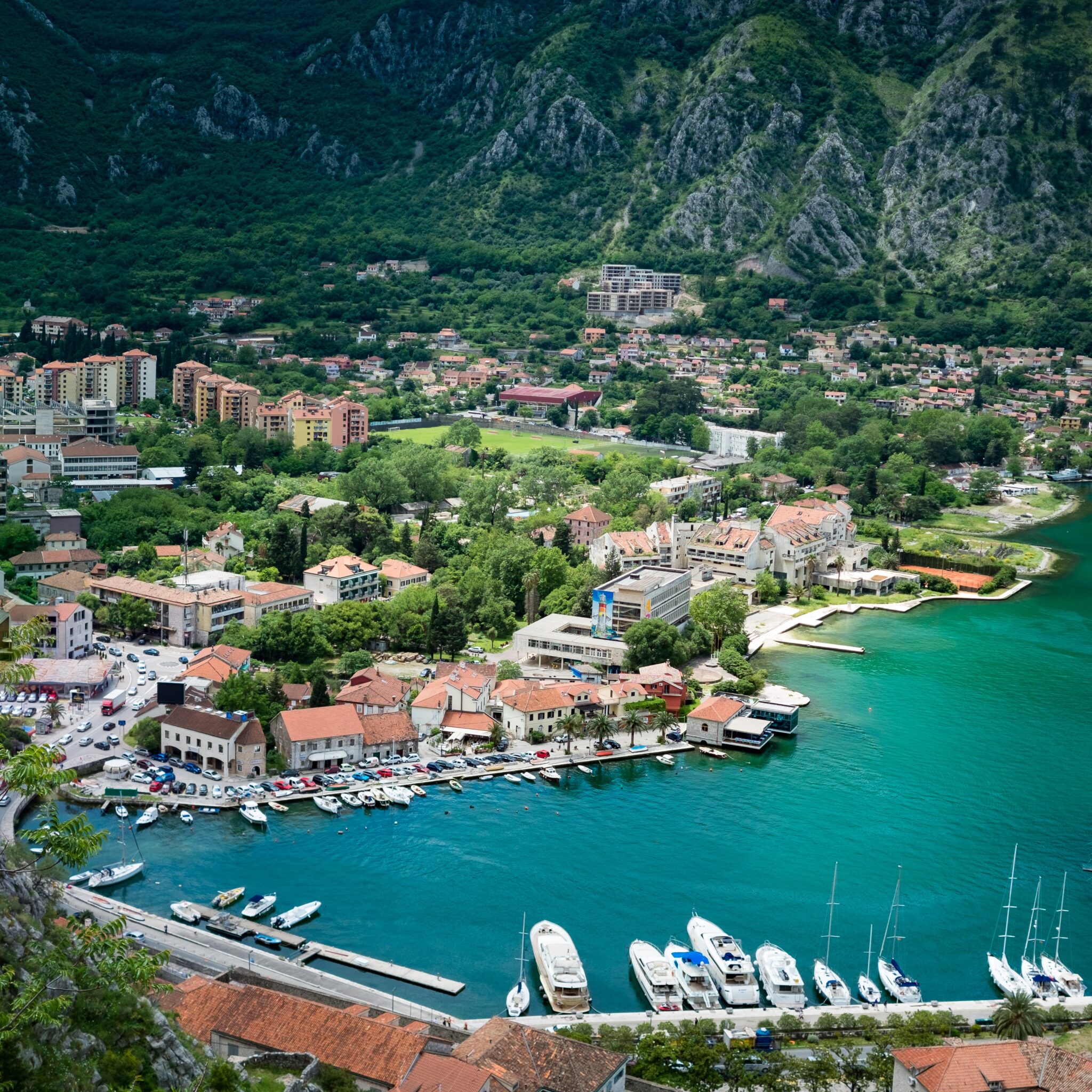
For most first-time visitors exploring the Bay of Kotor, I’d recommend flying into Tivat Airport. It’s the closest airport to Tivat, Porto Montenegro, Kotor, Dobrota and Perast, making it the ideal place to begin your Montenegro road trip.
Once we’d decided to hire a car, the next question was which rental company to choose.
Before our first trip, we joined several Montenegro travel groups on Facebook and asked members which local rental companies they recommended. Rather than relying solely on the large international brands, we wanted advice from people who had actually driven in Montenegro.
Two names kept appearing – Localrent.com and Planet.
We’ve now hired cars through both companies and have been extremely happy with the service. Localrent, founded in Montenegro in 2011, partners with carefully selected local rental companies, while Planet operates its own fleet. Although they work differently, we found both companies to be professional, flexible and excellent to deal with.
Our Car Hire Experience
Collection & Drop-off Locations: Tivat Airport, Kotor Supermarket car park and our apartment in Dobrota
Vehicle: Compact hatchback (Škoda Fabia or similar)
Transmission: We’ve hired both manual and automatic vehicles.
One thing that really impressed us was the flexibility. Whether collecting our car at Tivat Airport, the Kotor Supermarket car park or directly from our apartment in Dobrota, the vehicles were always waiting exactly where we’d arranged. Both collection and return were quick, simple and completely hassle-free.
For both trips, we deliberately chose a compact hatchback because it was perfectly suited to Montenegro’s narrow streets, winding mountain roads and tight parking spaces. The vehicles weren’t brand new, but they were clean, mechanically reliable and exactly what we needed.
In fact, I preferred driving a car with a few existing stone chips and minor scratches. It made navigating villages, mountain roads and tight parking spaces far less stressful than worrying about every little mark on a brand-new vehicle.
Looking back, I’d make exactly the same decision again.
If you prefer to book with an international company, Tivat Airport is also served by Avis, Hertz, Sixt, Europcar, Enterprise, Budget and Green Motion, giving travellers plenty of choice.
Whichever company you choose, I’d recommend booking well in advance if you’re travelling between May and September. Automatic vehicles are particularly popular and are often the first to be reserved.
Do You Need to Hire a Car in Montenegro?
It depends on how you plan to explore the country.
Although Montenegro is a relatively small country, the diversity of landscapes is remarkable. In just a few hours, you can travel from the crystal-clear waters of the Adriatic coast to dramatic mountain ranges, glacial lakes, deep river canyons and traditional villages. If you want to experience that diversity, you’ll either need to hire a car or consider a private driver.
Many first-time visitors spend most of their time exploring the Bay of Kotor, including Kotor, Perast, Tivat and Budva. If that’s your itinerary, you may not need to hire a car.
Parking can be limited and expensive during the busy summer months, particularly around Kotor Old Town and Budva, and traffic can become congested. Instead, we recommend using Red Taxi, the Cablo taxi app, the Blue Line bus network or hiring a private driver. We were pleasantly surprised by how affordable private drivers are in Montenegro, making them an excellent option for airport transfers, sightseeing, or full and half-day tours. You’ll avoid the hassle of driving and parking while still enjoying the flexibility to explore at your own pace.
However, if you plan to venture beyond the Bay of Kotor to destinations such as Lovćen National Park, Lake Skadar, Durmitor National Park, Ostrog Monastery or the quieter beaches and villages along the coast, hiring a car offers far greater freedom and flexibility.
We’ve hired a car in Montenegro several times, and having our own vehicle allowed us to stop whenever a breathtaking viewpoint caught our eye, take scenic detours, enjoy long lunches at local restaurants, visit family-run wineries and discover hidden corners of the country that would have been difficult or time-consuming to reach by public transport.
For travellers who enjoy exploring independently, hiring a car transforms Montenegro from a destination you simply visit into one you truly experience. The freedom to pull over at a panoramic lookout, linger in a mountain village or take an unplanned detour often becomes the highlight of the journey.
If driving isn’t for you, a private driver is an excellent alternative. You’ll still experience much of Montenegro’s incredible diversity without worrying about unfamiliar roads, mountain driving or parking, making it a great option for couples and first-time visitors.
Our Experience Driving in Montenegro
We’ve hired rental cars in Montenegro several times, collecting vehicles from Tivat Airport and having them delivered directly to our apartment in Dobrota. Over multiple visits, we’ve driven throughout the Bay of Kotor, along the Adriatic coast and into the country’s spectacular mountain regions.
Every recommendation in this guide comes from our own experience. We’ve navigated busy summer traffic, searched for parking in Kotor, driven winding mountain roads and learnt what works—and what we’d do differently next time.
Rather than simply telling you how to hire a car, we want to help you decide whether it’s the right choice for your trip and share the practical advice we wish we’d known before our first visit.
Over several visits we’ve driven throughout the Bay of Kotor, to Lovćen National Park, Lake Skadar and along Montenegro’s spectacular Adriatic coast, giving us a good understanding of the country’s different driving conditions.
Top 5 Driving Tips for First-Time Visitors to Montenegro
If you’re hiring a car in Montenegro for the first time, these five tips will help you enjoy a safer, easier and more relaxing road trip.
1. Choose a Smaller Car
A compact vehicle is much easier to drive on Montenegro’s narrow roads, negotiate tight village streets and fit into smaller parking spaces. Unless you need extra luggage space, you’ll appreciate having a smaller car.
2. Drive at Your Own Pace
Local drivers are familiar with the roads and may drive faster than you’re comfortable with. Don’t feel pressured to keep up. If traffic builds behind you on mountain roads, simply pull into a safe passing area and allow faster vehicles to continue.
3. Download Google Maps Before You Leave
Mobile coverage is generally excellent along the coast and in towns, but it can become patchy in remote mountain regions. Downloading Google Maps for offline use before setting off means you’ll always have access to navigation, even without mobile reception.
4. Have a Parking Plan for Kotor
Parking around Kotor Old Town can be extremely busy during the summer months. We recommend arriving early, using the Kamelija Shopping Centre car park or, if you’re staying nearby, leaving your car at your accommodation and taking a Red Taxi, using the Cablo app or catching a Blue Line bus into town.
5. Slow Down and Enjoy the Journey
One of the greatest pleasures of driving in Montenegro is discovering places you hadn’t planned to visit. Allow extra time for scenic viewpoints, waterfront cafés, mountain villages and spontaneous photo stops. Some of our favourite memories came from the journey itself, not just the destination.
Is Driving in Montenegro Difficult?
Driving in Montenegro isn’t difficult for confident drivers, but it does require concentration, particularly on narrow mountain roads and through historic towns.
For Australians, one of the biggest challenges is driving on the opposite side of the road. It’s not for the faint-hearted, particularly during your first few hours behind the wheel. Roundabouts, turning at intersections and judging your position on the road all require extra concentration. However, once you gain experience and confidence, it soon becomes second nature.
Having driven extensively through Italy, France and Croatia, we found Montenegro more challenging in places because of its narrow streets through historic towns and winding mountain roads. That said, if you’re a confident driver who takes your time, it’s also one of the most rewarding countries we’ve explored by car.
One thing we found particularly helpful was following another vehicle. It makes adjusting to driving on the right much easier because you naturally mirror their position on the road. The challenge comes when you become the lead vehicle. Without another car to follow, it’s easy to feel pressured to keep up with the local traffic. Don’t let that rush you. Drive at a speed you’re comfortable with, pull over safely when there’s an opportunity to let faster vehicles pass, and remember that your confidence will grow surprisingly quickly.
One thing we’ve noticed while driving throughout Europe is that less confident drivers often speed up on straight sections of road, then slow considerably through winding sections. While it’s completely understandable, it can make overtaking difficult because the safest opportunities to pass are often on the straighter stretches. If you notice a queue building behind you, consider pulling over safely at the next suitable passing area. It helps traffic flow more smoothly and makes the drive less stressful for everyone.
The main roads between larger towns are generally in good condition. However, once you venture into the mountains or some of the older villages, expect narrower roads, sharp bends, steep climbs and the occasional need to reverse into a passing bay to allow oncoming traffic through. If you’re comfortable driving in these conditions, you’ll have no trouble exploring Montenegro by car.
Around the Bay of Kotor, many sections of road hug the coastline with very little between the road and the sea. Unlike Australia, there are long stretches without safety barriers, so staying focused is essential, particularly when the road narrows or traffic becomes busy.
One of the best driving tips we received came from a local. If you need to pull over to let an oncoming vehicle pass, come to a complete stop rather than slowly rolling forward. It’s much easier to lose your peripheral vision while creeping forward, increasing the risk of missing hazards such as open roadside drains, uneven road edges or loose gravel. Stopping completely gives you time to assess your surroundings before moving off safely.
Navigation is straightforward. We relied on Google Maps throughout our travels and found it accurate and reliable, even in remote parts of the country. We also recommend downloading offline maps before your trip in case mobile coverage drops out in mountainous areas.
If you’re an inexperienced driver or feel uncomfortable driving on narrow mountain roads, Montenegro may not be the best place for your first overseas driving experience. However, if you’re a confident driver who takes your time and doesn’t allow local traffic to dictate your pace, you’ll be rewarded with some of Europe’s most spectacular coastal and mountain drives.

Choosing the Right Rental Car
Choosing the right vehicle can make a big difference to your driving experience in Montenegro.
Manual or Automatic?
Manual vehicles are the most common and are usually the least expensive option. If you prefer driving an automatic, book as early as possible, especially if you’re travelling during the busy summer season, as availability can be limited.
Choose a Smaller Vehicle
While a large SUV may seem appealing, we found that a smaller car was much easier to drive on Montenegro’s narrow roads and to park in busy towns such as Kotor and Budva. A compact vehicle is more than adequate for most travellers and makes negotiating tight streets and mountain villages far less stressful.
Check Your Luggage
Many European rental cars have smaller boots than Australians are used to. If you’re travelling for several weeks with large suitcases, make sure your luggage will fit before choosing the smallest category.
New or Older Vehicle?
One thing we appreciated was that many rental companies offer vehicles that are a few years old rather than brand new. Mechanically, every car we’ve hired has been reliable, but most have had the usual stone chips, minor scratches and small dents that come with everyday use.
Surprisingly, we found this reassuring. Driving along narrow coastal roads, squeezing into tight parking spaces and passing vehicles on mountain roads felt much less stressful than it would have in a brand-new car. If having a pristine vehicle is important to you, many companies also offer newer models at a higher price.
Delivery and Collection
Many local rental companies will deliver your vehicle directly to Tivat Airport, your hotel or even your apartment, then collect it from another agreed location at the end of your rental. We’ve found this to be one of the biggest advantages of hiring locally, saving both time and the hassle of travelling to a rental office.
Before You Drive Away
Before leaving, walk around the vehicle and take clear photos and videos of every side, including the wheels, windscreen, roof and interior. Check that any existing damage is recorded on the rental agreement, and make sure you know what type of fuel the vehicle uses before setting off.
Fuel Policy
Don’t be surprised if your rental car isn’t supplied with a full tank of fuel. In our experience, it’s common for vehicles in Montenegro to be handed over with whatever fuel level they currently have. Before leaving, note the fuel gauge or take a photo so you know exactly how much fuel is in the tank.
When returning the vehicle, you’re generally expected to return it with approximately the same amount of fuel. Failing to do so may result in additional charges, so it’s worth topping up at a nearby service station before drop-off.
Understanding Rental Car Insurance
Rental car insurance can seem confusing, but understanding the basics before you arrive will help you avoid unnecessary stress and additional costs.
Most rental vehicles include basic insurance, usually with an excess (deductible). Before driving away, make sure you understand what is and isn’t covered, and ask the rental company to explain anything you’re unsure about.
Check Your Existing Travel Insurance First
Before purchasing additional insurance from the rental company, check whether you already have cover.
Many Australian travel insurance policies include rental car excess cover, and some premium credit cards—such as those offered by several of Australia’s major banks and American Express—also provide complimentary travel insurance when you meet their eligibility requirements.
Before every overseas trip, we request a PDF copy of our credit card travel insurance policy and read the terms and conditions carefully so we know exactly what is covered. For our travels, the complimentary travel insurance included with our American Express Platinum Card has provided the level of cover we’re comfortable with.
Remember that policies vary, so always confirm your own cover before relying on it.

Essential Road Rules and Driving Tips
Before setting off, it’s worth familiarising yourself with a few of Montenegro’s road rules and local driving customs.
Drive on the Right
Australians will need to adjust to driving on the right-hand side of the road, with the steering wheel on the left-hand side of the vehicle. Take extra care at roundabouts, intersections and when pulling out after stopping.
Traffic Lights
Traffic lights operate much as they do in Australia. However, you’ll notice that many intersections are controlled by lights, even in smaller towns, so always be prepared to stop. Keep an eye on the traffic signals and avoid entering an intersection unless you can clear it safely.
Pedestrian Crossings
One thing that surprised us was the number of pedestrian crossings, particularly in towns and along the Bay of Kotor. Locals confidently step onto crossings expecting vehicles to stop, and drivers generally do. Stay alert, especially in busy areas such as Kotor, Tivat, Budva and Herceg Novi, and always slow down as you approach pedestrian crossings.
Speed Limits
Unless otherwise signposted, the general speed limits are:
- Urban areas: 50 km/h
- Open roads: 80 km/h
- Motorways: 100–130 km/h, depending on the road.
Always watch for speed limit signs, as limits can change quickly, particularly when entering towns and villages.
Blood Alcohol Limit
Montenegro has a legal blood alcohol limit of 0.03%, which is significantly lower than Australia’s 0.05% limit. Even one alcoholic drink may be enough to put you over the limit, depending on your size, gender and how much you’ve eaten.
If you’re planning to visit one of Montenegro’s excellent wineries, enjoy a long lunch with local wine or try the traditional rakija, our advice is simple—don’t drive. Instead, hire an affordable private driver, book a guided tour or use Red Taxi or the Cablo app. That way you can relax and enjoy the experience without worrying about getting behind the wheel.
Seatbelts and Mobile Phones
Seatbelts are compulsory for all occupants, and using a mobile phone while driving is prohibited unless you’re using a hands-free system.
Headlights
Headlights must be used at all times, both during the day and at night.
Tolls
Most visitors won’t encounter any toll roads. The main exceptions are the Sozina Tunnel if you’re travelling between the coast and Bar or Ulcinj, and the A1 motorway north of Podgorica.
Fuel Stations
Fuel stations are common throughout Montenegro. If you’re heading into more remote mountain regions, it’s a good idea to fill up before leaving larger towns.
One thing we really appreciated was that fuel stations in Montenegro are typically full service. An attendant will usually fill your tank for you, so there’s no need to get out of the car unless you want to. It’s a small touch, but one that makes refuelling quick, convenient and surprisingly enjoyable.
Drive Defensively
Local drivers are generally confident and often travel faster than visitors. Don’t feel pressured to match their pace. Stay focused, drive within your comfort zone and pull over safely if you wish to let faster vehicles pass.
Above all, take your time. Montenegro isn’t a country to rush through. Some of our favourite memories came from pulling over at an unexpected viewpoint, discovering a small village or stopping for lunch simply because the view was too good to drive past.
Parking in Montenegro
Parking is one of the biggest challenges you’ll encounter when driving in Montenegro, particularly during the busy summer months.
Popular destinations such as Kotor, Perast, Budva, Tivat and Herceg Novi can become extremely busy, with parking spaces filling quickly. If you’re visiting these towns during peak season, it’s worth arriving early or being prepared to park a little further from the main attractions.
Most public car parks are paid, while many hotels and apartments offer on-site parking. Always confirm parking arrangements before you arrive, particularly if you’re staying close to an Old Town.
Our Tip for Parking in Kotor
If you’re visiting Kotor Old Town, we’ve found the Kamelija Shopping Centre car park to be one of the most convenient places to park. It’s located just a 10-minute walk from the Old Town and is also ideal if you need to pick up groceries or other supplies during your stay.
During summer, it’s common for the car park to fill completely. Don’t be surprised if you see a queue of vehicles waiting patiently on the side street. As one car exits, the next vehicle is allowed to enter. The queue generally moves quite efficiently, so it’s often worth waiting a few minutes rather than driving around looking for another parking space.
If you make a purchase at the supermarket or within the shopping centre, parking is free. Be sure to keep your receipt, as you’ll need it to validate your parking and exit the car park. The same receipt also provides free access to the customer toilets inside the shopping centre, making it a convenient stop before or after exploring Kotor.
If the Kamelija Shopping Centre car park is full and you don’t want to wait, there’s another large public car park nearby that’s also within easy walking distance of Kotor Old Town, giving you a good alternative during the busiest times of the day.
If you’re staying in Dobrota or another nearby village, consider leaving your car at your accommodation and walking, taking a Red Taxi, using the Cablo app or catching a Blue Line bus into Kotor. During the peak summer months, it’s often quicker, easier and far less stressful than searching for a parking space near the Old Town.

Safety & Practical Driving Tips
Driving in Montenegro is one of the best ways to experience the country. A little preparation before you set off will help make your journey safer, easier and far more enjoyable.
Be Prepared for Summer Heat
If you’re visiting during summer, expect hot weather, particularly along the coast where daytime temperatures often exceed 30°C and can climb into the high 30s.
Before setting off:
- Carry plenty of drinking water.
- Keep sunglasses and sunscreen within easy reach.
- Park in the shade whenever possible.
- Consider using a windscreen sunshade if leaving your car for an extended period.
- Avoid leaving passports, medications, cameras or electronic devices in direct sunlight.
- If you’re carrying medication, check whether it needs to be stored below a certain temperature rather than leaving it in a parked vehicle.
- Check that the air conditioning is working before leaving the rental office.
Driving in the Mountains and Rural Areas
Some of Montenegro’s most spectacular scenery is found in its mountains, but the roads require extra care. Expect steep climbs, sharp bends and occasional narrow sections where two vehicles may need to pass carefully.
Drive at a comfortable speed, use lower gears on long descents and don’t feel pressured by local drivers who know the roads well. If traffic builds up behind you, simply pull into a safe passing area and let faster vehicles continue.
Keep an eye out for livestock, particularly sheep, goats and cattle, which may wander onto rural roads without warning. You may also encounter tractors, cyclists and slow-moving farm vehicles, especially in the more remote parts of the country.
Montenegro also has numerous tunnels, particularly along coastal and mountain routes. Turn on your headlights before entering and allow your eyes a moment to adjust when exiting back into bright daylight.
In towns and villages, particularly around Kotor and the Bay of Kotor, cats are part of everyday life. Drive slowly through built-up areas and be prepared for the occasional feline to stroll across your path.
Driving at Night
While driving after dark is generally safe, we found it far more enjoyable to plan our longer journeys during daylight hours. Not only do you get to appreciate Montenegro’s incredible scenery, but some rural and mountain roads have limited street lighting, making bends and road edges harder to judge.
Take extra care at night, particularly in rural areas where wildlife, livestock, pedestrians or cyclists may be harder to see.
Allow Extra Travel Time
One lesson we’ve learnt is not to rely solely on the estimated driving time shown on Google Maps or your GPS, particularly during the busy summer season.
Road upgrades are taking place across many parts of Montenegro, particularly along the coast. While these improvements will make travelling easier in the future, they can also result in temporary traffic lights, lane closures and significant delays.
Traffic congestion can be surprisingly heavy during peak season, especially on the coastal road between Tivat and Kotor. Although the distance is only around 16 kilometres, we’ve experienced the journey taking more than two hours because of holiday traffic and roadworks.
If you’re returning a rental car or travelling to Tivat Airport, allow far more time than your navigation app suggests, particularly during the busiest part of the day in summer. It’s far better to arrive early and enjoy a coffee at the airport than risk missing your flight because of unexpected traffic delays.
We also recommend allowing extra time for all journeys in Montenegro. Not only can traffic be unpredictable, but you’ll inevitably want to stop at scenic lookouts, photograph spectacular views or enjoy a leisurely lunch in one of the country’s charming villages. Some of our favourite travel memories came from these unplanned stops.
Driving in Rain, Fog and Snow
Montenegro’s weather can change quickly, particularly if you’re travelling between the coast and the mountains.
Rain can make narrow roads slippery, particularly where dust and oil have built up during long dry periods. Reduce your speed, increase your following distance and avoid sudden braking or sharp steering. Avoid driving through standing water after heavy rain, as it can be difficult to judge its depth.
Fog is not uncommon in mountainous regions, especially during the early morning and evening. Visibility can drop rapidly, so use your headlights, reduce your speed and avoid overtaking unless you have a clear view of the road ahead. If visibility becomes extremely poor, find a safe place to pull over and wait for conditions to improve.
If you’re visiting during winter, be prepared for snow and icy conditions in higher elevations, including around Durmitor National Park and other mountain regions. Some roads may require winter tyres or snow chains, and temporary road closures can occur after heavy snowfall. If you plan to drive in winter, check local road conditions before setting out and confirm with your rental company that your vehicle is properly equipped.
Fortunately, the Adriatic coast, including Kotor, Tivat and Budva, enjoys a much milder climate, so snow is uncommon at sea level. However, it’s still worth taking extra care if travelling into the mountains during the cooler months.
Stay Connected and Be Prepared
Mobile coverage is excellent throughout most towns and along the Adriatic coast. However, signal strength can become patchy in remote mountain regions.
We recommend downloading Google Maps offline before setting out, particularly if you’re planning to explore national parks or more remote parts of the country. Having an in-car phone charger or power bank is also worthwhile for longer driving days.
While credit cards are widely accepted throughout Montenegro, it’s a good idea to carry a small amount of euros in cash. Smaller cafés, rural businesses, local markets, roadside stalls and some parking areas may not accept cards, and having cash on hand can save both time and inconvenience.
If You Break Down
Most rental vehicles include 24-hour roadside assistance. Before leaving the rental office, save the emergency contact number in your phone and check what assistance is included in your rental agreement.
If your vehicle breaks down:
- If it’s safe to do so, move your vehicle well off the road.
- Turn on your hazard lights.
- Contact the rental company immediately.
- Follow their instructions before arranging any repairs or towing.
If You’re Involved in an Accident
Hopefully you’ll never need this advice, but it’s worth knowing what to do.
If you’re involved in an accident:
- Stop immediately and check that everyone is safe.
- If anyone is injured or emergency assistance is required, call 112, Montenegro’s national emergency number.
- Contact your rental company as soon as possible.
- Take clear photographs of the vehicles, any damage and the surrounding scene.
- Make a note of the exact location of the accident.
- Exchange contact and insurance details with the other driver.
- If police attend the accident, ask for a copy of the police report or report number, as your rental company may require it.
- Avoid admitting fault at the scene and don’t arrange repairs yourself without your rental company’s approval.
Fortunately, all of our driving experiences in Montenegro have been enjoyable and trouble-free. With sensible planning, patience and confidence behind the wheel, you’ll have the freedom to discover hidden villages, spectacular mountain scenery, quiet beaches and breathtaking coastal viewpoints that many visitors never experience. For us, hiring a car has transformed every visit, allowing us to explore well beyond the main tourist trail and experience the country at our own pace.
Crossing Borders with a Rental Car
One of the attractions of travelling through the Balkans is how easy it is to visit several countries in one trip. During our travels, we’ve explored Montenegro, Croatia, Bosnia and Herzegovina and Albania, but we have never driven the same rental car across international borders.
While many rental companies allow cross-border travel, we generally prefer to hire a separate vehicle in each country. It’s often simpler, can be more cost-effective and avoids the extra paperwork, fees and insurance requirements that sometimes apply when taking a rental car across borders.
It also gives you greater flexibility if your itinerary changes and eliminates any uncertainty about whether you’re covered if something goes wrong.
Before You Decide
If you do plan to take your rental car into another country, make sure you confirm:
- Cross-border travel is permitted.
- Which countries you’re allowed to visit.
- Whether additional documentation is required.
- If a cross-border fee applies.
- That your insurance remains valid outside Montenegro.
Always obtain written approval from the rental company before crossing an international border.
Our Recommendation
Although many rental companies allow cross-border travel, we generally prefer not to take rental cars across international borders.
Instead, we usually return the rental car in the country where we hired it and arrange a private driver to take us across the border. Once we arrive in the next country, we collect another rental car and continue our journey.
We’ve found this approach offers several advantages:
- Avoids cross-border rental fees and paperwork.
- Eliminates uncertainty about insurance cover.
- Reduces the stress of driving through unfamiliar border procedures.
- Gives you greater flexibility if your itinerary changes.
Private drivers also know the local roads extremely well and may be able to use alternative border crossings that are much quieter than the main tourist routes, particularly during the busy summer months. On several occasions, this has saved us considerable time and made crossing the border a much more relaxed experience.
Border Crossing Tips
If you do decide to drive across a border:
- Keep your passport readily accessible.
- Carry your driver’s licence and rental agreement.
- Have any cross-border documentation with you.
- Allow extra time during summer, weekends and public holidays, when queues can be much longer than expected.
- Carry drinking water during warmer months in case you’re delayed.
With a little planning, border crossings are generally straightforward but not always! However, for most travellers, we believe hiring a separate vehicle in each country is often the easier, cheapest and more relaxed option.
Drive Only If You’re a Confident Driver
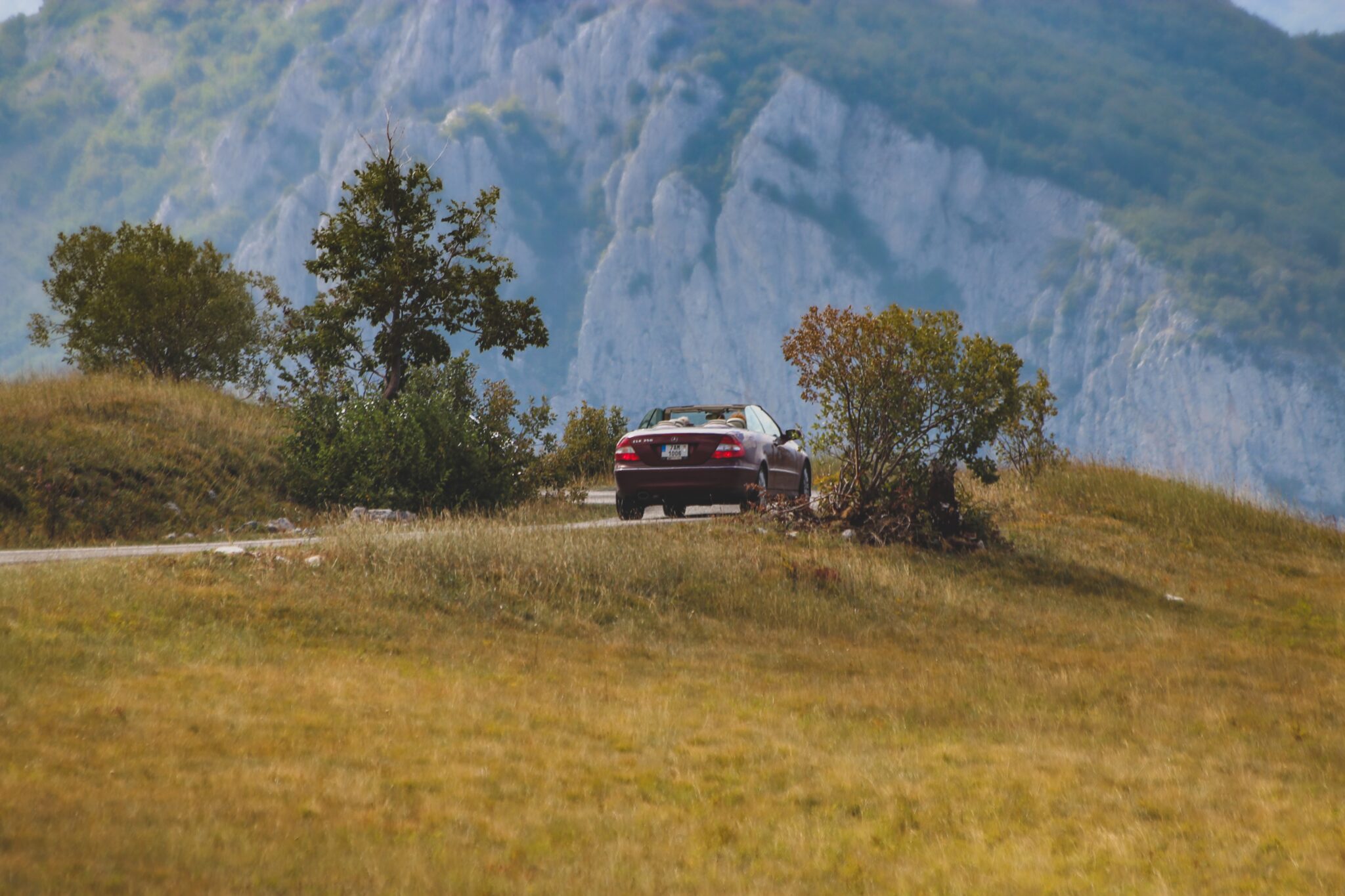
One final piece of advice. Be honest about your driving confidence. If you’re not comfortable driving in your own country, I wouldn’t recommend hiring a car in Montenegro. Many roads are narrow and winding, mountain routes require concentration, and local driving can be more assertive than you may be used to.
In that case, I’d suggest hiring a private driver instead. We were pleasantly surprised by how affordable they are, and you’ll still experience Montenegro’s incredible scenery without the stress of navigating unfamiliar roads or finding parking.
Final Thoughts
Hiring a car completely changed the way we experienced Montenegro.
It gave us the freedom to venture beyond the well-known destinations, discover quiet villages, stop whenever a breathtaking view caught our eye and explore at a pace that suited us. Some of our favourite memories weren’t planned at all—they happened because we had the flexibility to simply pull over and enjoy the moment.
Although Montenegro is one of Europe’s smaller countries, its diversity is remarkable. Within just a few hours, you can travel from the turquoise waters of the Adriatic coast to dramatic mountain peaks, glacial lakes and traditional villages. That’s what makes exploring beyond the Bay of Kotor so rewarding.
Like anywhere, driving in Montenegro has its challenges. Summer traffic, roadworks and winding mountain roads all require patience, but the rewards are well worth it. With a little preparation and realistic expectations, driving is one of the best ways to experience this remarkable country.
If you found this guide helpful, I’d love you to continue exploring Progressive Traveller. Every destination guide is based on our own first-hand experiences, with practical advice, honest recommendations and the lessons we’ve learnt along the way, helping you travel with confidence, make informed decisions and create unforgettable memories of your own.
Continue Exploring Montenegro and the Balkans
If you’re planning a longer journey through Montenegro, Croatia and the Balkans, these first-hand travel guides will help you make the most of your adventure.
Montenegro
- Kotor & the Bay of Kotor Travel Guide – Discover where to stay, the best things to do, scenic drives and practical tips for exploring one of Europe’s most beautiful bays.
Croatia
- Dubrovnik Travel Guide – Everything first-time visitors need to know before exploring Croatia’s famous walled city.
- Korčula Island Travel Guide – Discover medieval streets, local wineries and one of Croatia’s most relaxed Adriatic islands.
- Plitvice Lakes National Park Visitor’s Guide – Practical advice for making the most of Croatia’s spectacular waterfalls and lakes.
- Zadar Travel Guide – Experience Roman history, the Sea Organ, unforgettable sunsets and one of Croatia’s most liveable coastal cities.
- Zagreb Travel Guide – Explore Croatia’s vibrant capital, from its historic Upper Town to its café culture and local markets.
Whether you’re planning a week in Montenegro or an extended road trip through the Balkans, I hope our guides inspire you to travel with confidence, embrace the unexpected and enjoy every kilometre of the journey.