Condong Sugar Mill NSW: History, Location & Visitor Guide

by | New South Wales, Australia, Featured, Oceania

The Condong Sugar Mill sits on the banks of the Tweed River and has been crushing sugar cane since 1880. Located in the small village of Condong, just north of Murwillumbah and south of Tumbulgum, the mill remains an important part of the Tweed Valley’s sugar-growing history.

The mill is located on McLeod Street, which runs parallel with Tweed Valley Way. Directly opposite is the historic Condong General Store and Post Office, established in 1901. Today, the building is also home to Stamp & Grind, a local coffee shop.

A Brief History of Condong Sugar Mill

Sugar cane has been grown in the Tweed Valley since the 19th century. Early growers included Joshua Bray at Kynnumboon, near present-day Murwillumbah, and Michael Guilfoyle at Cudgen, who were experimenting with sugar cane by the late 1860s.

Their early plantings helped establish an industry that would become an important part of the Tweed Valley’s agricultural landscape and local communities for generations.

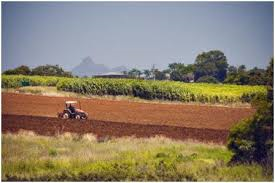
DSCN8401

Early Sugar Production in the Tweed Valley

The Mitchell Library in Sydney holds the diaries of early Tweed settlers Joshua Bray and Samuel Gray. Entries from November 1868 record the planting of sugar cane and their early experiments with making sugar.

During the 1870s, individual farmers began building small mills on their properties, with varying degrees of success. Producing sugar was extremely labour-intensive. Cane was crushed using hand-operated rollers and the juice was boiled over open fires.

Many of these small mills didn’t survive. Farmers struggled with an unreliable supply of good-quality cane, while the basic production methods made it difficult to produce sugar efficiently and consistently.

By 1872, Tweed sugar growers were looking for a better solution. Dissatisfied with the limitations of the small local mills, they approached the Colonial Sugar Refining Company (CSR) about establishing a larger mill on the Tweed River.

That decision would eventually lead to the development of the Condong Sugar Mill.

i9040-sl

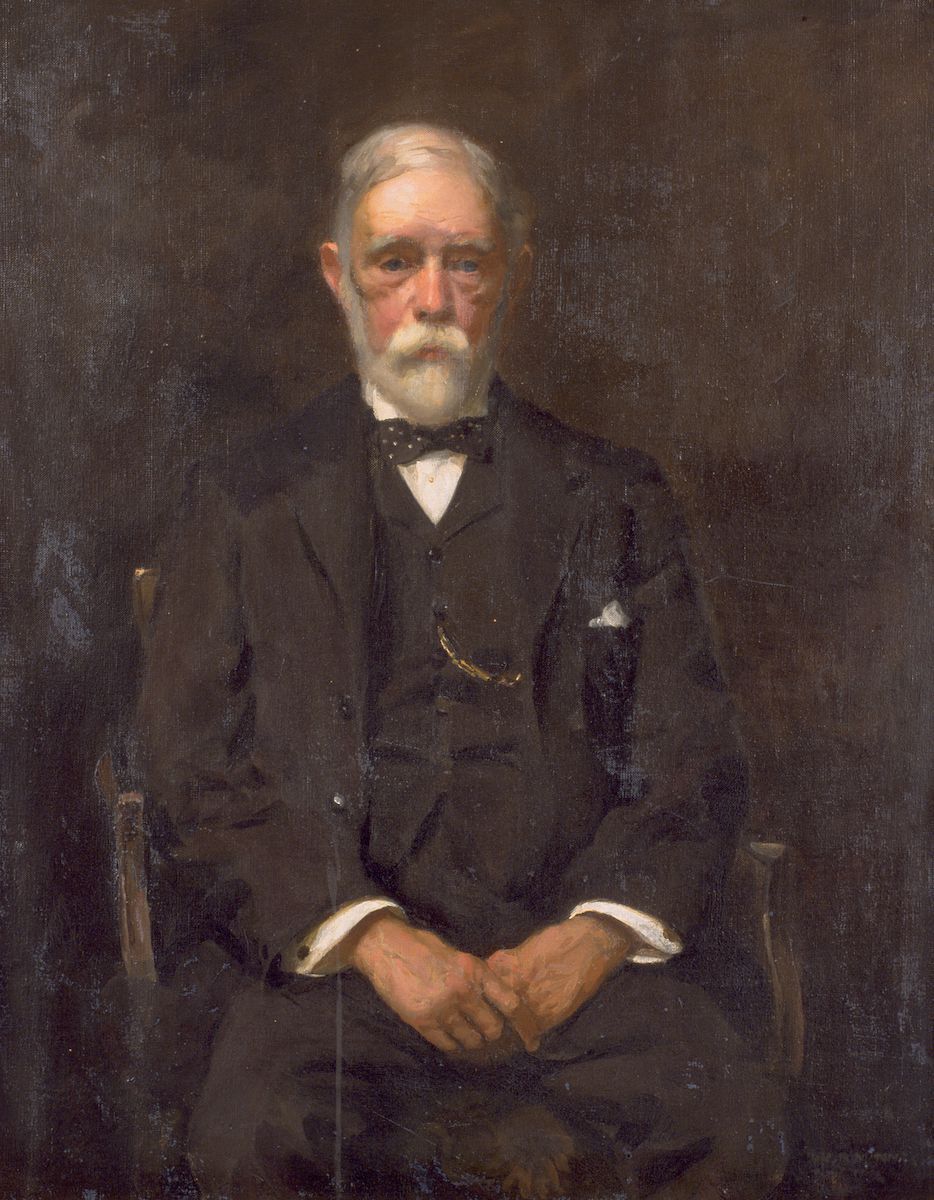
Edward William Knox (1847-1933), National Portrait Gallery Canberra

CSR Comes to the Tweed

In May 1877, Edward William Knox, superintendent of CSR’s mills on the Clarence River and son of the company’s founder, Sir Edward Knox, visited the Tweed Valley.

Knox saw the difficult conditions faced by local farmers but also recognised the potential for a more organised sugar industry. He convinced CSR to purchase large areas of land in the Tweed and lease farms at low rents to farmers willing to grow cane for a proposed mill at Condong.

CSR initially purchased 2,435 acres, including land for the new Condong Sugar Mill. Following lengthy negotiations and construction, the mill was completed in 1880 and began crushing locally grown cane.

The arrival of larger mills transformed sugar production in the Tweed Valley. Small mills at Cudgen, Bilambil and Tumbulgum gradually disappeared as production shifted to larger operations such as Condong and the Robb Mill at Cudgen. These mills used more sophisticated steam-powered machinery, making sugar production considerably more efficient.

By the end of the 19th century, much of the cleared land along the foothills of the Tweed River Valley had been planted with sugar cane, creating a landscape that would become synonymous with the region for generations.

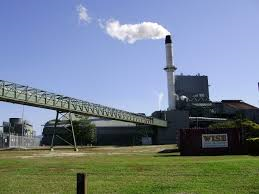
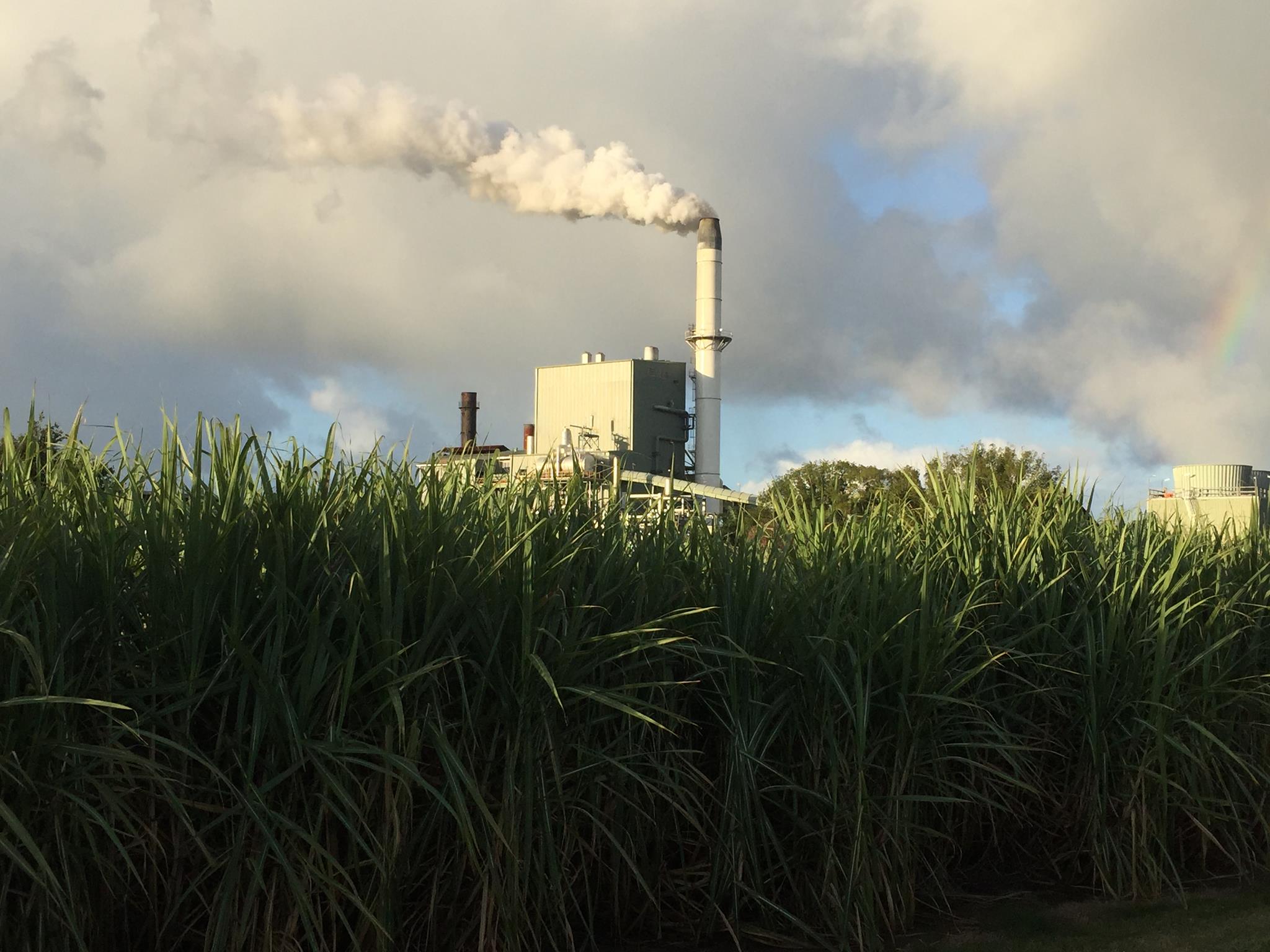
DSCN8403

The large steam stack at Condong Sugar Mill


Flooding and Condong Sugar Mill

The Condong Sugar Mill’s location beside the Tweed River has always made it vulnerable to flooding. Major floods in 2017 and 2022 affected the mill and surrounding cane-growing areas, with the 2022 flood reaching the highest level recorded at the site since the mill began operating in 1880.

In response, significant flood-protection works have now been completed at the mill. A new bund wall has been constructed around important milling infrastructure, along with flood gates, pumps, drainage improvements and other measures designed to reduce damage during future floods.

The $5.3 million project began in 2024 and was completed in 2026, with $2 million provided through Australian and NSW Government disaster-recovery funding. The new bund wall stands 250 mm above both the 1-in-500-year flood level and the record 2022 flood level.

For a mill that has operated beside the Tweed River for more than 145 years, the project is an important investment in protecting the mill, local jobs and the cane-growing families who continue to supply it.

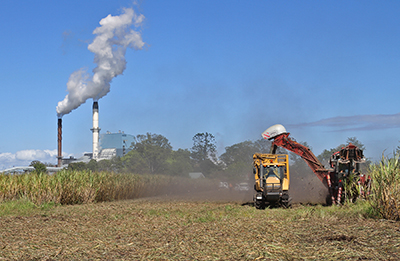
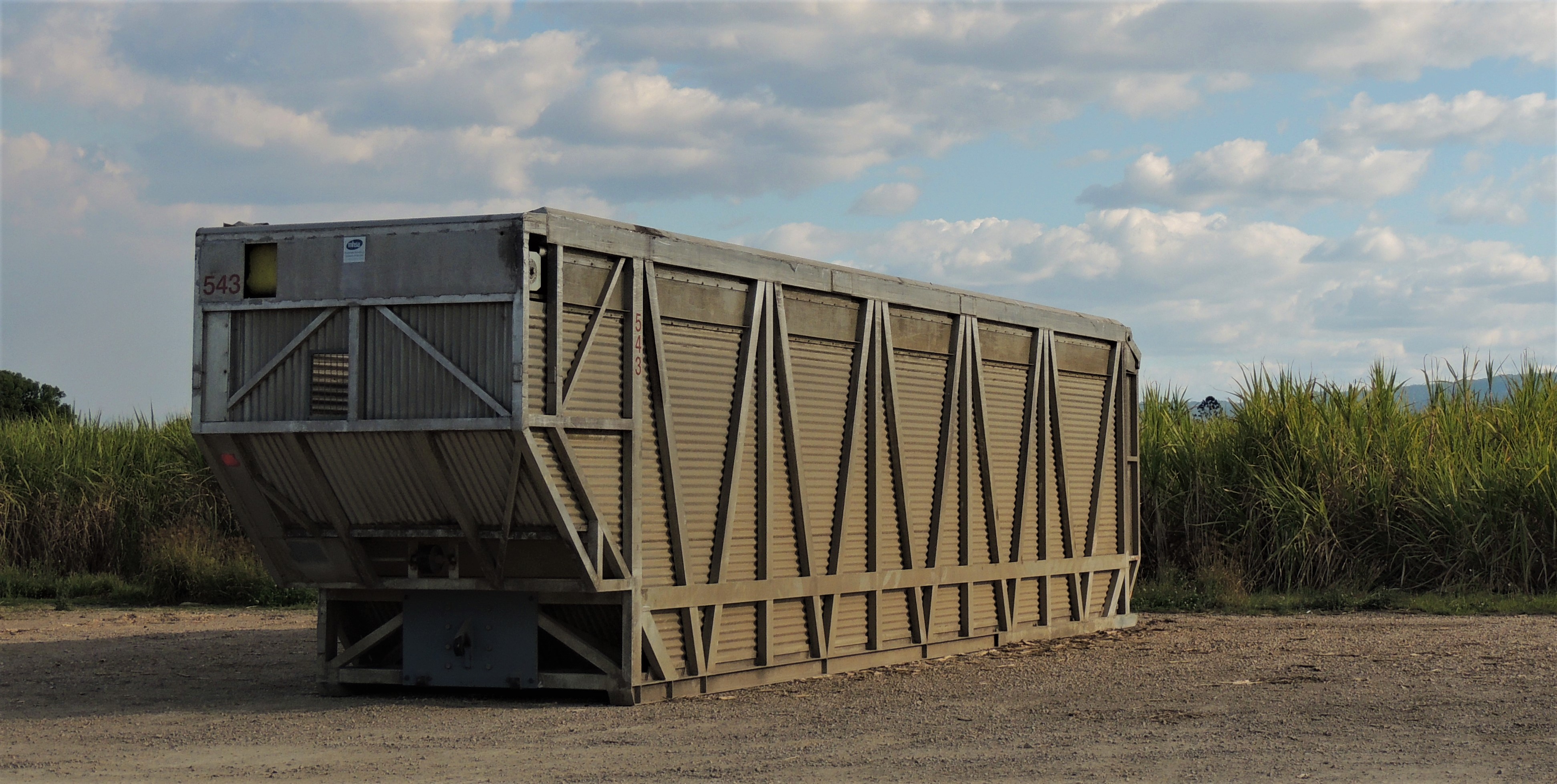
DSCN8398

Cane Carrier

Condong Sugar Mill and Renewable Energy

The Condong Sugar Mill remains an important part of the Tweed Valley economy, supporting local cane growers, mill workers and businesses connected with the sugar industry.

Sugar cane also plays a role in renewable energy production. During the milling process, the fibrous material left after the cane is crushed, known as bagasse, can be used as a renewable fuel. Sunshine Sugar says more than 95% of the energy used by its mills to process sugar cane is generated from bagasse, which is burned in biomass boilers to produce steam and electricity.

Condong also has a biomass power station, developed as part of a cogeneration project associated with the sugar mill. The Condong and Broadwater biomass power stations were acquired by Cape Byron Power in 2013.

This ability to use a by-product of sugar production to generate energy adds another dimension to the role sugar cane continues to play in the Northern Rivers.

From Condong Sugar Mill to Local Rum

The sugar industry around Condong isn’t confined to traditional sugar production. Nearby Husk Farm Distillery in Tumbulgum has developed its own connection with the mill and the Tweed Valley’s long cane-growing history.

Husk grows and crushes sugar cane on its farm to produce its Australian rum, with surplus cane sent to the Condong Sugar Mill for processing. In 2025, Husk reported that its surplus cane contributed around 80 tonnes of raw sugar and approximately 80,000 kWh of electricity through the Condong operation.

The relationship has also worked in the other direction. Husk has used Tweed Valley cane honey produced at Condong Sugar Mill as the base for some of its rum. The cane juice was processed at Condong before being taken back to Tumbulgum to be fermented and distilled.

It’s an interesting example of how the Tweed Valley’s sugar-cane industry continues to evolve, connecting one of the region’s oldest industries with a new generation of local producers.

Condong Sugar Mill Today

More than 145 years after it first began crushing cane, Condong Sugar Mill remains a working part of the Tweed Valley landscape.

The scale of the operation may surprise visitors. During the 2024 season, Condong crushed just over 402,000 tonnes of sugar cane and produced around 22,000 tonnes of food-grade raw and Low GI sugar.

The mill is also an important local employer. Sunshine Sugar lists 94 personnel at Condong during the crushing season, reducing to 79 during the maintenance season. The mill has the capacity to crush up to 185 tonnes of cane per hour, supplied from a production area covering almost 7,000 hectares.

Condong is one of three mills operated by Sunshine Sugar in northern NSW, alongside Broadwater on the Richmond River and Harwood on the Clarence River.

Today, the industry is also placing greater emphasis on sustainability, including generating renewable energy from sugar cane fibre, recycling water and returning useful mill by-products to local farms.

For anyone driving through Condong during the crushing season, the activity around the mill is a reminder that sugar cane isn’t simply part of the Tweed Valley’s history — it’s still very much a working local industry.

For current mill information and contact details, visit the official Condong Mill page.

Can You Visit Condong Sugar Mill?

Condong Sugar Mill is a working industrial site rather than a tourist attraction, and public mill tours are not currently available.

You can still see the mill while travelling through Condong along Tweed Valley Way. Its large buildings and chimney are a distinctive part of the local landscape, particularly during the cane-crushing season when there is considerably more activity around the mill. At this time of year, the mill operates around the clock, 24 hours a day, seven days a week, apart from scheduled maintenance days.

If you’re stopping in Condong, the historic Condong General Store and Post Office building opposite the mill is now home to Stamp & Grind, making it an easy place to stop for a coffee.

Remember that Condong Sugar Mill is an operational site, so visitors should stay outside restricted mill areas.

Murwillumbah and the Northern Rivers Rail Trail

Condong Sugar Mill is only a few minutes’ drive from Murwillumbah, the main town of the Tweed Valley and a good base for exploring this part of the Northern Rivers.

Murwillumbah is also the starting point of the Northern Rivers Rail Trail, which follows the former railway line through the Tweed countryside. The trail passes through small villages, farmland and sections of subtropical landscape, making it a great addition to a visit to the area. Before setting out, stop at the Murwillumbah Visitor Information Centre. It’s a useful first stop for local maps, current information on the rail trail and ideas for other places to visit around Murwillumbah and the Tweed Valley.

You don’t need to cycle the entire trail. E-bikes are popular, and you can choose a shorter section before spending some time exploring Murwillumbah’s cafés, shops,Tweed Regional Gallery & Margaret Olley Art Centre and galleries.

If you’re visiting the Condong Sugar Mill, combining it with Murwillumbah and part of the rail trail makes an easy day out in the Tweed Valley.

Special Offers

[bdotcom_bm bannerid="10651"] .

Rental Car

Travel Insurance

Get Your Guide

Categories

About the Progressive Traveller

Hi! I’m Donna, an Australian, who has become a global traveller after quitting my career in corporate health to see the world and write about it. This new career move has taken me to over 50+ countries, where I have met new friends and discover more about how others live. I invite you to travel with me and discover more.

Travel Planning Resources

Book Your Experience

GetYourGuide: Diverse experiences, easy booking, better travel.

Accommodation Choices Galore

Discover limitless accommodation options with Booking.com

Rent A Car

DiscoverCars.com: Your Perfect Car, Anywhere, Every Time.

Protect You and Your Belongings

World Nomads: Full protection, worry-free adventures.

Packing Checklist

Join the Progressive Traveller Community and get my proven Packing Checklist from the eBook. Subscribe now.

Join Our Vibrant Travel Community!

Join our community to receive exciting travel news, inspiring stories, and exclusive special offers. Stay in the loop about trending destinations, insider tips, and unforgettable journeys. Let's embark on this adventure together! 


Your email address will never ever be shared, and you can easily unsubscribe whenever you want. See our Privacy Policy

Privacy consent

Welcome to the Progressive Traveller Tribe. You have successfull subscribed.