Living near Tumbulgum in the Tweed Valley for over 15 years, we’ve watched Husk Farm Distillery grow from its early days on a North Tumbulgum cane farm into one of the Northern Rivers’ best-known distilleries and a popular destination in its own right.
Husk began producing spirits in 2012 from a tiny 9m × 7m green farm shed on the property, long before its impressive purpose-built distillery and cellar door opened in 2019. For those of us living locally, watching the transformation of the property and the growth of Husk and Ink Gin has been quite remarkable.
Husk’s success has also brought more visitors to Tumbulgum and the wider Tweed Valley, helping strengthen the region’s reputation for quality local produce, food and drink experiences. Over the years, the distillery and its spirits have received considerable recognition both in Australia and internationally.
From a Farm Distillery to a Tweed Valley Destination
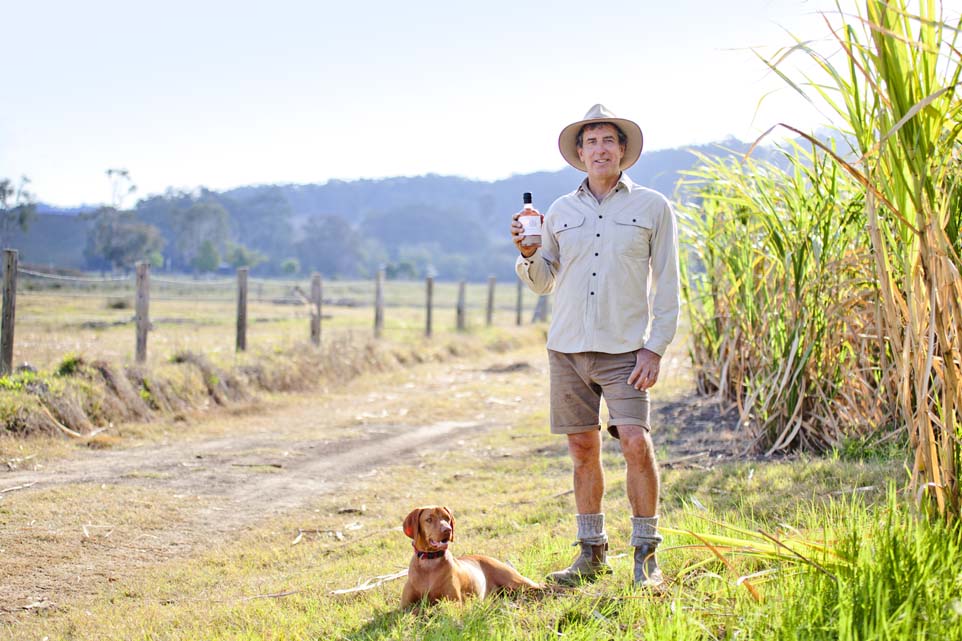
Husk sits on a 150-acre cane and cattle farm at North Tumbulgum, with its story closely connected to the land. Sugarcane has been grown in the Tweed Valley for generations, and Husk set out to create premium Australian spirits using cane grown on the property.
The real turning point came with Ink Gin. Its distinctive colour, Australian botanicals and ability to change from deep blue to blush pink when mixed with tonic captured people’s attention well beyond the Northern Rivers. As demand grew, the original distillery could no longer keep up.
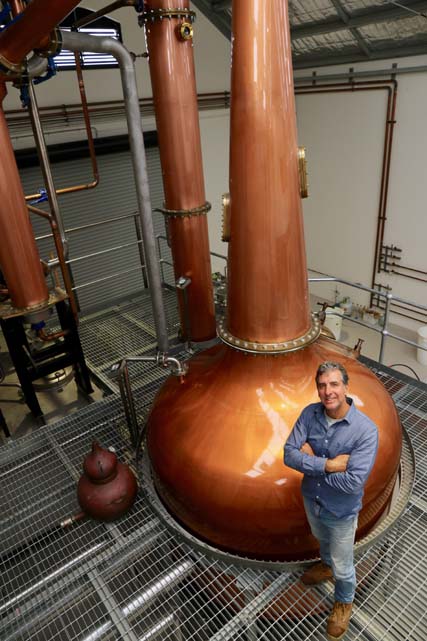
Construction of a much larger purpose-built distillery followed, complete with an impressive copper pot still made by Forsyths in Scotland. Affectionately known as the “Fat Bastard”, the still became the centrepiece of Husk’s expanding rum production.
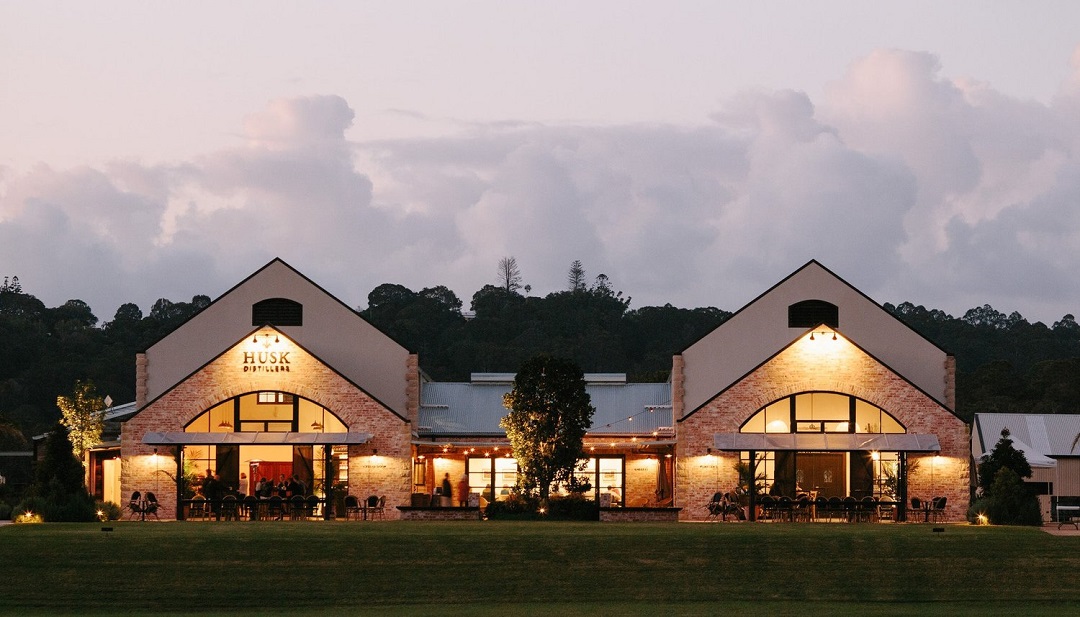
When the new distillery and cellar door opened in 2019, visitors could experience Husk for themselves rather than simply buying its spirits.
Since then, Husk has continued to evolve into a destination for tours, tastings, food, cocktails, live music, private functions and events, while continuing to develop its gin and Australian rum production.
From a Local’s Perspective
Over the years, Paul and I have visited Husk many times — bringing visiting friends, meeting locals for drinks, dropping in for happy hour and attending events. I’ve also taken the distillery tour and attended private functions in the Barrel Room, so we’ve experienced Husk in quite a few different ways.
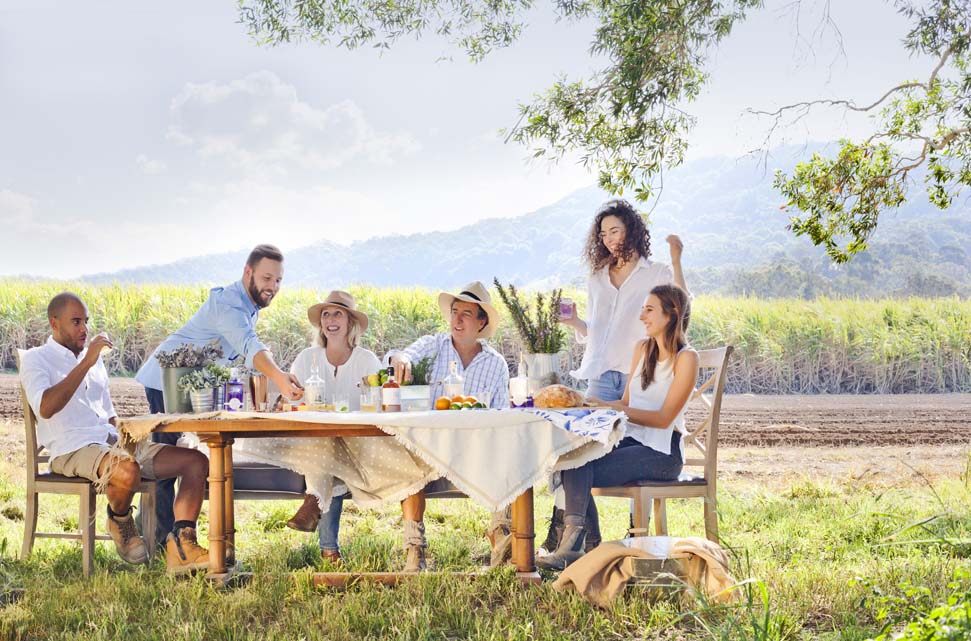
Today, Husk is much more than somewhere to taste gin or rum. You can settle in for lunch, enjoy a cocktail on the lawn, take a distillery tour, attend an event or simply spend a relaxed afternoon taking in the surroundings.
If you’re visiting Tumbulgum, Murwillumbah or exploring the wider Tweed Valley, Husk Farm Distillery is somewhere we’d genuinely recommend adding to your itinerary.
In this guide, I’ll share what it’s like to visit Husk, what to expect from the distillery tours and tastings, where to eat and drink, and a few things we’ve learnt from visiting regularly over the years.
Ink Gin: The Spirit That Put Husk on the Map
While Husk’s original vision centred around producing rum from sugarcane grown on the farm, it was Ink Gin that really put the small North Tumbulgum distillery on the map.
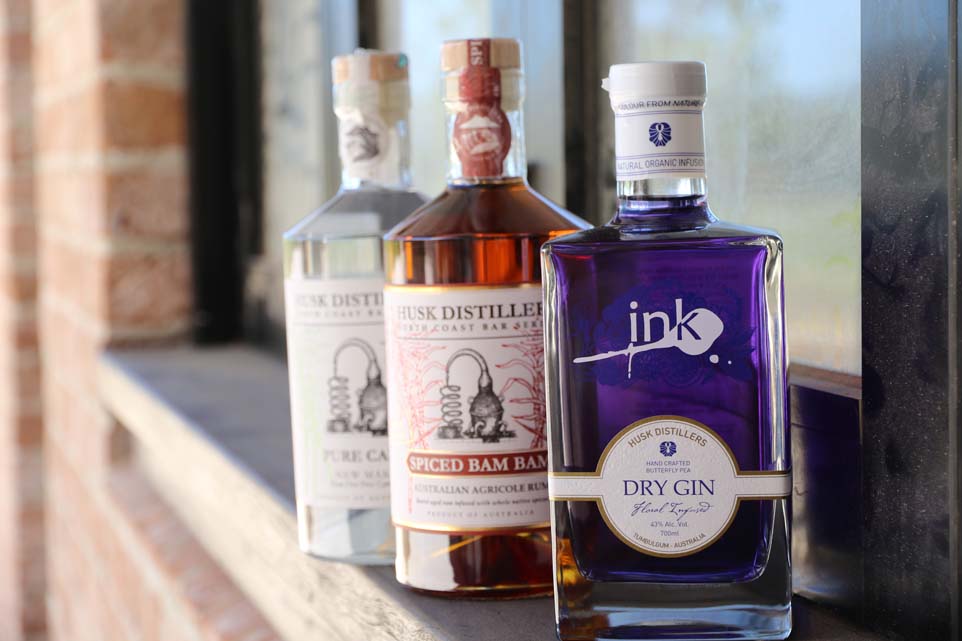
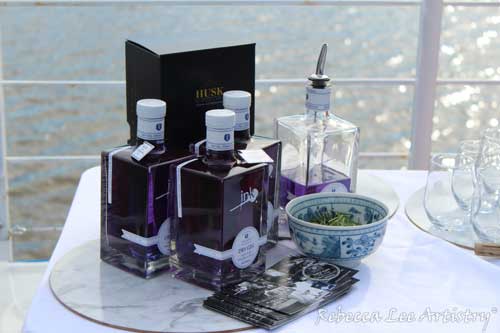
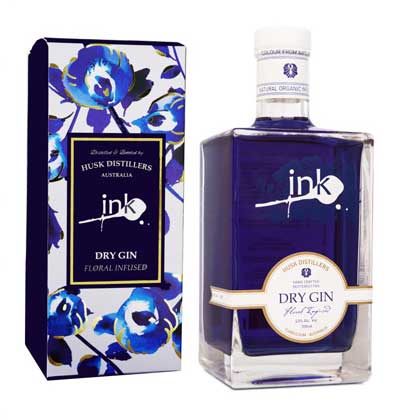
Launched in 2015, Ink Gin became the world’s first colour-changing gin. Its remarkable deep indigo colour comes naturally from butterfly pea flowers, which are sensitive to changes in acidity. Add tonic water, lemon or lime and the gin transforms from blue to a beautiful blush pink.
It was unlike anything most Australian gin drinkers had seen at the time, and its distinctive appearance quickly attracted attention. But Ink Gin wasn’t simply about colour. The gin combined traditional, exotic and Australian native botanicals, including native lemon myrtle and Tasmanian pepper berry, creating a distinctly Australian interpretation of gin.
Then came an unexpected publicity boost. Australian actress Margot Robbie shared an image of herself drinking a pink Ink Gin cocktail, introducing the distinctive colour-changing gin to an enormous international audience.
Demand grew rapidly and the little farm shed at North Tumbulgum struggled to keep pace. Ink Gin went on to receive industry recognition, including the Australian Drinks Industry Best Innovation in Spirits Award, and helped provide the momentum for Husk’s next stage of growth.
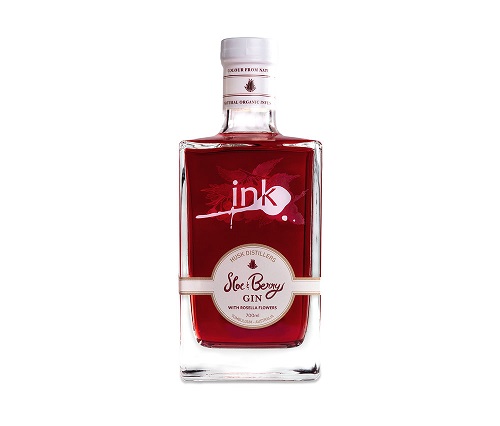
Today, Ink has grown into a broader gin range, but the original Ink Gin remains an important part of Husk’s story — and watching that blue gin turn pink when tonic is added is still a bit of fun, even when you’ve seen it many times before.
Husk’s Rum Story: The Passion Behind the Distillery
Although Ink Gin became the product that put Husk on the map, rum has always been founder and distiller Paul Messenger’s passion. In fact, producing a distinctive Australian rum from freshly crushed sugarcane grown on the family farm was at the heart of Husk’s vision from the beginning.
Rum, however, takes time. While gin can be distilled and bottled relatively quickly, creating aged rum requires patience, experimentation and years in barrels. Ink Gin’s success helped Husk grow while its rum quietly matured in the background.
The location couldn’t be more appropriate. Husk sits among the sugarcane fields of the Tweed Valley, with cane grown on the property itself. Rather than relying solely on molasses, Husk began experimenting with freshly crushed sugarcane juice, inspired by the agricole-style rums of the French Caribbean.
For visitors today, understanding this story makes a distillery tour particularly interesting. Ink Gin may have brought Husk widespread attention, but rum is very much at the heart of why the distillery exists.
From Early Releases to Husk Rum Today
Husk’s rum range has changed considerably since those early days in the shed.
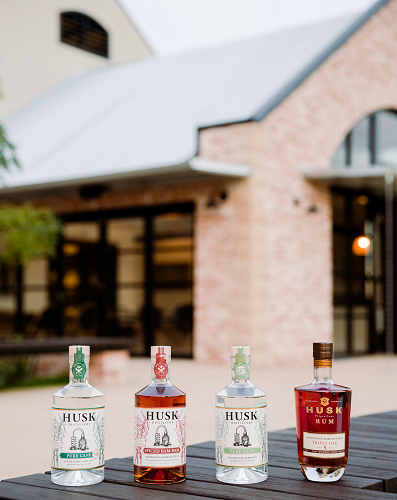
Some of the earlier releases included Husk Virgin Cane Rum, Triple Oak Rum and Spiced Bam Bam, which many long-time Husk followers will remember. As the distillery, equipment and stocks of ageing rum developed, so too did the range.
Today, Husk is increasingly focused on developing its own style of Australian rum, particularly Australian Cultivated Rum (ACR).
Husk Signature ACR is one of the distillery’s flagship releases, made from 100% single-estate fresh cane juice grown at Husk Farm and bottled without added flavours, colours or sweeteners.
Another current release worth looking out for is Husk Rare Blend, which combines fresh cane juice with Tweed Valley cane honey. In 2025, Rare Blend won gold and the trophy for Best Rum at the Australian Distilled Spirits Awards — significant recognition for a distillery that began experimenting with cane-juice rum in a tiny farm shed.
The range continues to evolve, with aged expressions, limited releases and experimental batches appearing from time to time. That’s one reason a tasting at the cellar door is worthwhile: you may discover something quite different from what was available on a previous visit.
If you’re new to rum, I’d suggest trying a tasting flight. The differences between the various styles are much easier to understand when you can taste them side by side.
What’s the Difference Between Agricole Rum and Traditional Rum?
Husk’s inspiration came from Rhum Agricole, the distinctive style of rum traditionally produced in the French Caribbean, particularly Martinique.
The main difference is what goes into the still. Most traditional rum is made from molasses — a by-product of sugar production — while agricole-style rum begins with freshly crushed sugarcane juice, which is fermented and distilled.
You can taste the difference too. Fresh cane juice tends to produce a drier, more herbaceous and complex spirit, while molasses-based rum is generally richer and more familiar in style.
This approach is particularly suited to Husk because the sugarcane is grown on the property and crushed in its own mill shortly after harvesting.
Husk has taken this idea and developed its own Australian expression, which it calls Australian Cultivated Rum (ACR).
Local Collaborations and a Little Experimentation
Another part of Husk’s story we’ve enjoyed watching is its willingness to experiment and collaborate with other producers, particularly those from the Northern Rivers and surrounding region.
One of its longest-running relationships has been with Stone & Wood. Over the years, the two businesses have swapped ideas, barrels and ingredients, creating some interesting limited releases along the way. Stone & Wood has aged beer in spent Husk rum barrels, while Husk has finished rum in barrels previously used for Stone & Wood’s porter.
The collaboration has also taken Husk in an unexpected direction — whisky. Working with Stone & Wood, Husk distilled a specially developed malt wash before ageing the spirit for five years in ex-Husk rum barrels. The result was Sidetrack Stone Whisky, Husk’s first whisky, released as a limited edition in 2025.
Husk has continued the Sidetrack idea with other Australian brewers, including Black Hops. In 2026, the collaboration produced Sidetrack 8 Malt Whisky, made from an eight-malt mash developed with the brewery and matured for six years in ex-Husk rum barrels.
These collaborations are a good example of the creative food, brewing and distilling community that has developed across the Northern Rivers. There’s a strong sense of local producers working together, and for visitors it means there may be something new to discover at the cellar door that wasn’t available on a previous visit.
Visiting Husk Farm Distillery: What to Expect
One of the things we like most about Husk is that you don’t need to be particularly interested in gin or rum to enjoy visiting. It’s somewhere you can easily spend a few hours.
You can book a distillery tour or tasting, but plenty of people simply come for lunch, cocktails or an afternoon on the lawn. We’ve done all of these at different times, and that’s probably why Husk works so well for both locals and visitors.
The atmosphere changes depending on when you visit. Weekdays can be relatively peaceful, while weekends, live music and special events bring a much livelier crowd. When the weather is good, the lawn is particularly popular.
I’d allow at least a couple of hours rather than treating Husk as a quick cellar-door stop. If you’re having lunch or joining a tour, it’s very easy to spend much of the afternoon here.
💡 Progressive Traveller Tip
If you’re visiting on a weekend, public holiday or during a special event, book ahead where possible. If you prefer a quieter experience, choose a weekday.
Distillery Tours & Tastings – Are They Worth Doing?
If you’re visiting Husk for the first time, I’d recommend doing one of the distillery tours or tastings. I’ve done both myself, and they give you a much better appreciation of what happens behind the scenes and just how much work goes into producing the spirits you see at the cellar door.
One thing that stood out to me was the knowledge and enthusiasm of the people leading the tours. The team is genuinely passionate about distilling, sugarcane and the Husk story, and I think the people behind the business have played an important part in its success.
The tour takes you behind the scenes of Husk’s gin and rum production. Seeing the distilling equipment and barrels up close also puts the scale of the operation into perspective.
And if you’re lucky enough to have founder and distiller Paul Messenger leading your tour, you’re in for quite a learning experience. His passion for rum, sugarcane and distilling is infectious, and you’ll probably come away knowing far more about rum production than you expected.
The tastings are a good opportunity to compare different styles of spirits side by side. You don’t need to be a rum or gin expert — being curious and wanting to understand what you’re tasting is enough.
💡 Progressive Traveller Tip
Allow enough time after your tour to stay for lunch or a drink rather than rushing off. It’s a lovely way to finish the experience and enjoy the surroundings.
Eating & Drinking at Husk Farm Distillery
We’ve eaten and had drinks at Husk many times over the years, from proper lunches to casual drinks and happy hour.
Planter’s Kitchen
Planter’s Kitchen is Husk’s restaurant, with a menu built around seasonal produce and ingredients sourced from the Northern Rivers and, where possible, the farm itself.
Menus change with the seasons, so there may be something different to try each time you visit. If you’re planning lunch, particularly on a weekend, I’d recommend booking ahead.
Cocktails, Gin & Rum
Naturally, cocktails are a big part of the experience. You’ll find Ink Gin alongside Husk’s rums and other spirits, with the cocktail menu giving the bar team plenty of opportunity to showcase them.
If you’re not sure what to order, ask the staff for a recommendation. We’ve found this a good way to try something different, particularly when there are new spirits or seasonal cocktails available.
Happy Hour and the Lawn
One of our favourite ways to enjoy Husk as locals is simply dropping in for happy hour.
Sitting on the lawn with friends over a cocktail or cold drink is a much more casual experience than a restaurant lunch, and one we’ve enjoyed many times over the years.
💡 Progressive Traveller Tip
If you’ve already toured the distillery, consider coming back another time just for drinks, happy hour or live music. It’s a completely different way to experience Husk.
The Barrel Room & Events at Husk
I’ve attended private events in Husk’s Barrel Room, and it’s quite a different experience from the more casual atmosphere outside.
Surrounded by ageing barrels and the workings of the distillery, the space has plenty of character and gives private functions a real sense of place. You never forget that you’re inside a distillery rather than a conventional function venue.
We’ve also attended a number of Husk events over the years, including relaxed live music sessions. The combination of indoor and outdoor spaces makes it a particularly appealing venue for functions and special events.
Husk holds live music and other events throughout the year, so it’s worth checking what’s happening during your visit.
💡 Progressive Traveller Tip
Check Husk’s event calendar before finalising your plans. If there’s an event that appeals to you, it can be a great addition to your visit; if you’d prefer a quieter lunch or tasting, choose another day.
Getting to Husk Farm Distillery
Husk Farm Distillery is located at North Tumbulgum in the Tweed Valley, a short drive from Tumbulgum village and Murwillumbah. It’s an easy day trip from the Gold Coast and can also be visited from Byron Bay or Brisbane.
There is parking at the distillery. If you’re planning a tasting or a few cocktails, organise a designated driver or transport in advance.
Planning Your Visit
Opening hours, tour times and events can change, so check the Husk Farm Distillery website before visiting. It’s also worth booking tours and popular events in advance.
Tours and Experiences
If you’d like to book an experience before you visit, these are a few options:
- Rail Trail E-Bike Ride, Husk Distillery Tour, Tasting & Lunch
- Daily Farm Distillery Tour & Tastings
- Farm to Bottle Rum Tour & Tastings
Continue Exploring the Tweed Valley
If you’re spending more time in the region, these Progressive Traveller guides will help you explore Tumbulgum and the wider Tweed Valley:
- Things to Do in Tumbulgum – discover what to see and do around this small riverside village.
- Where to Eat in Tumbulgum – my local guide to eating and drinking around the village.
- Murwillumbah Travel Guide – things to do, places to eat and what to see around town.
- Burringbar & the Northern Rivers Rail Trail – explore Burringbar and this scenic section of the Northern Rivers Rail Trail.
- Condong Sugar Mill – discover the sugar industry that has helped shape the Tweed Valley.
- My Favourite View in Northern Rivers NSW – a personal look at Wollumbin and the landscape surrounding Tumbulgum.